
"Michael called promptly, examined my roof and issued a quote. My roof was repaired within a week, and the team left everything tidy."
Roofers Cork City · Emergency Roof Repair Across Cork Since 2008
Roofers Cork City — Emergency Roof Repair Cork & Same-Day Callouts.
Active leak? Storm damage? Slates on the lawn? Ring 021 202 8387 for a same-day emergency roof repair Cork make-safe. We cover roof repairs, full reroofs, flat roof repairs, lead valley repair, chimney flashing and commercial roofing across Cork City and County. Photo report and written, fixed-price quote in your inbox within 24 hours. Repairs from €150, reroofs from €6,900.
16+ Years roofing in Cork4.8 from 92 Google reviews20-Year written workmanship guaranteeSame-day Cork callouts · Fully insured
Emergency Roof Repair Cork · Same-Day Make-Safe
Emergency Roof Repair Cork — On A Cork Roof Today, Not Next Week
Active leak in the ceiling, storm-blown slates on the lawn, lead pulled away from a chimney in a gale: ring the team and we will be on the Cork roof the same day with a temporary make-safe. Tarp, batten, sheet, ridge fix, lead patch — whatever stops the water now. Itemised written quote for the proper repair follows within 24 hours.
- Emergency roof repair Cork · same-day make-safe from €180
- Roof leak repair Cork · slipped slates, perished ridge, broken tile
- Flat roof repair Cork · EPDM, GRP, torch-on felt patches
- Roof valley repair Cork · lead, GRP and EPDM valley systems
- Chimney flashing Cork · lead rebuilds, anti-downdraft caps
- Commercial roofing Cork · shops, offices, warehouses
4.8★ from 92 verified Google reviews
What Cork Homeowners Say About Us
Eight reviews from Cork suburbs we've worked in this year. Read all 92 verified Google reviews →
"The team explained the roof issue clearly and helped us understand what needed to happen before the leak spread further."
"Professional, clear about the cost, and easy to deal with from the first call through the finished work."
"Found us in a storm and patched the membrane the same evening. Came back two days later for the proper rebuild. No drama."
"Three quotes, theirs was the most clearly written. Crew was polite, on-time, and the cleanup at the end was genuinely impressive."
"They sorted a chimney leak two other roofers had missed. They photographed the problem, then showed me afterwards what they fixed."
"Replaced the gutters and added proper diverters. First winter we have not had water spilling near the foundation. Worth every euro."
"Booked a drone inspection before buying the house. Got a written report with photographs the next morning. Saved us a small fortune."
What We Do for Cork Homes & Businesses
Cork Roof Repairs, Reroofs, Gutter & Chimney Services
Six service clusters under one Cork trade book. Photo inspection, fixed-price written quote within 24 hours, 20-year written workmanship guarantee on qualified work. From a €60 chimney sweep to an €18,000 dormer reroof.
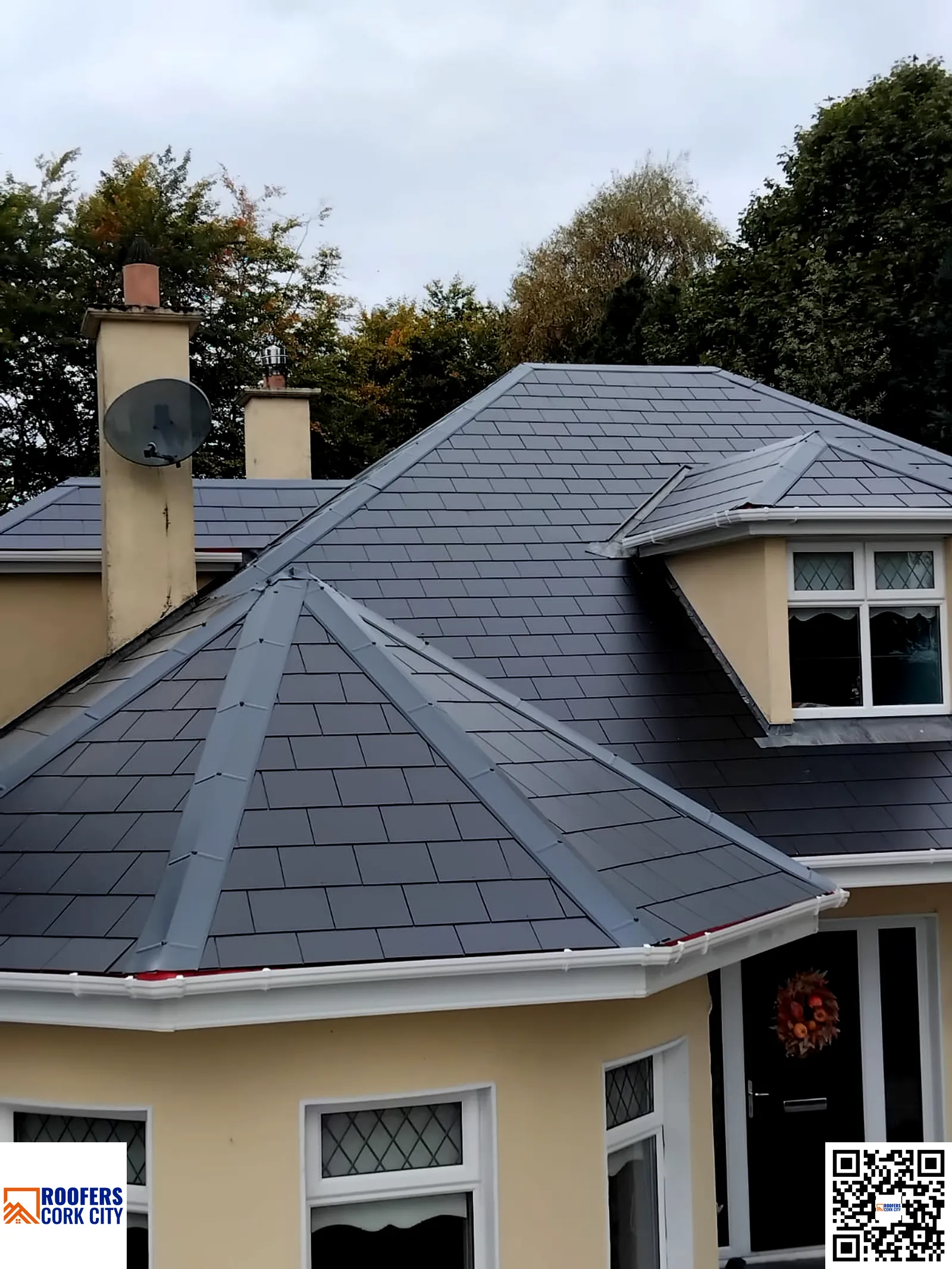
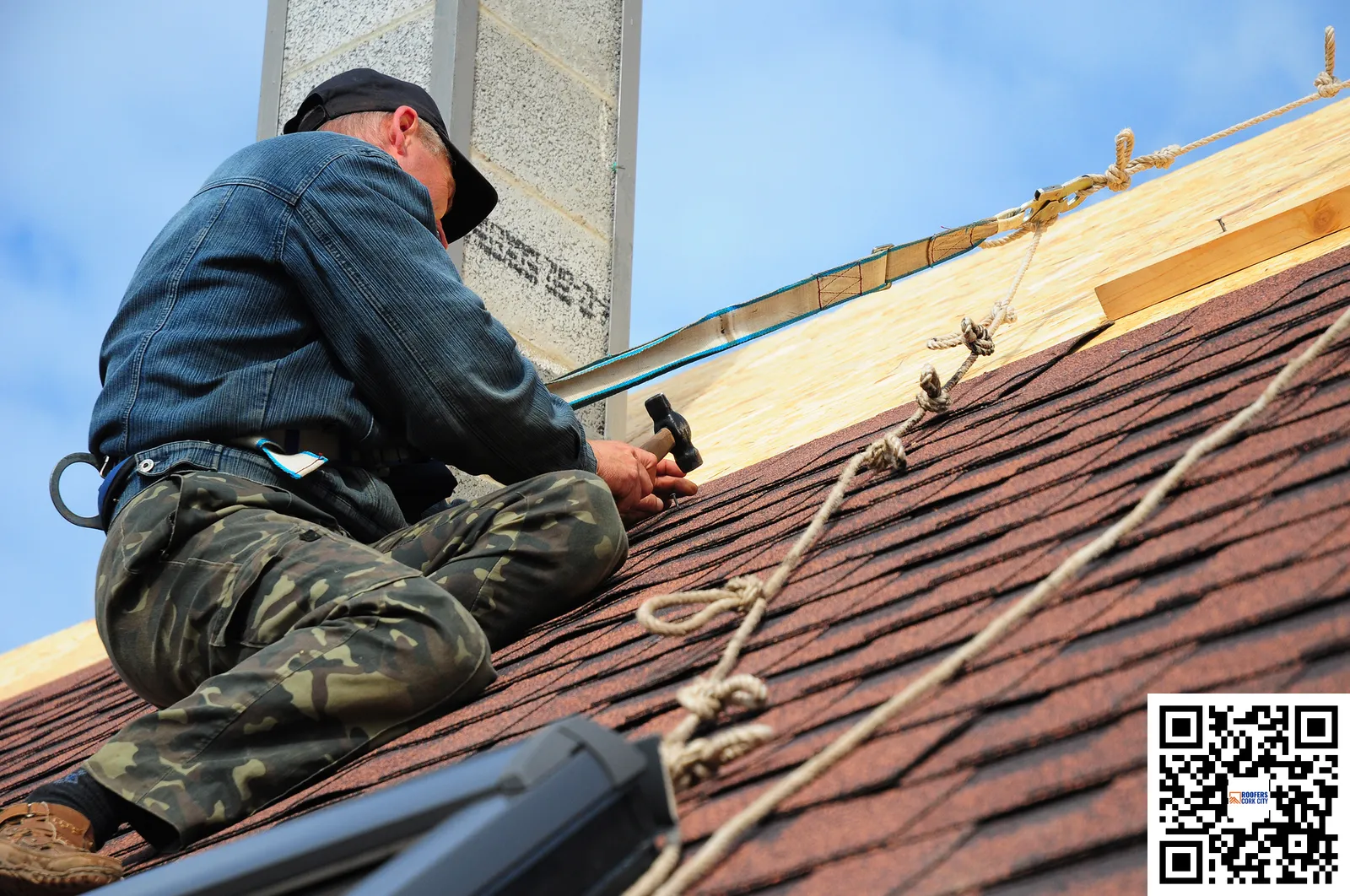
Cork Roof Repairs from €150
Leaks, slipped slates, perished ridge, lead flashing pulled away from chimneys. Photo inspection, written fixed-price quote, often same-day make-safe.
Get Repair Quote ->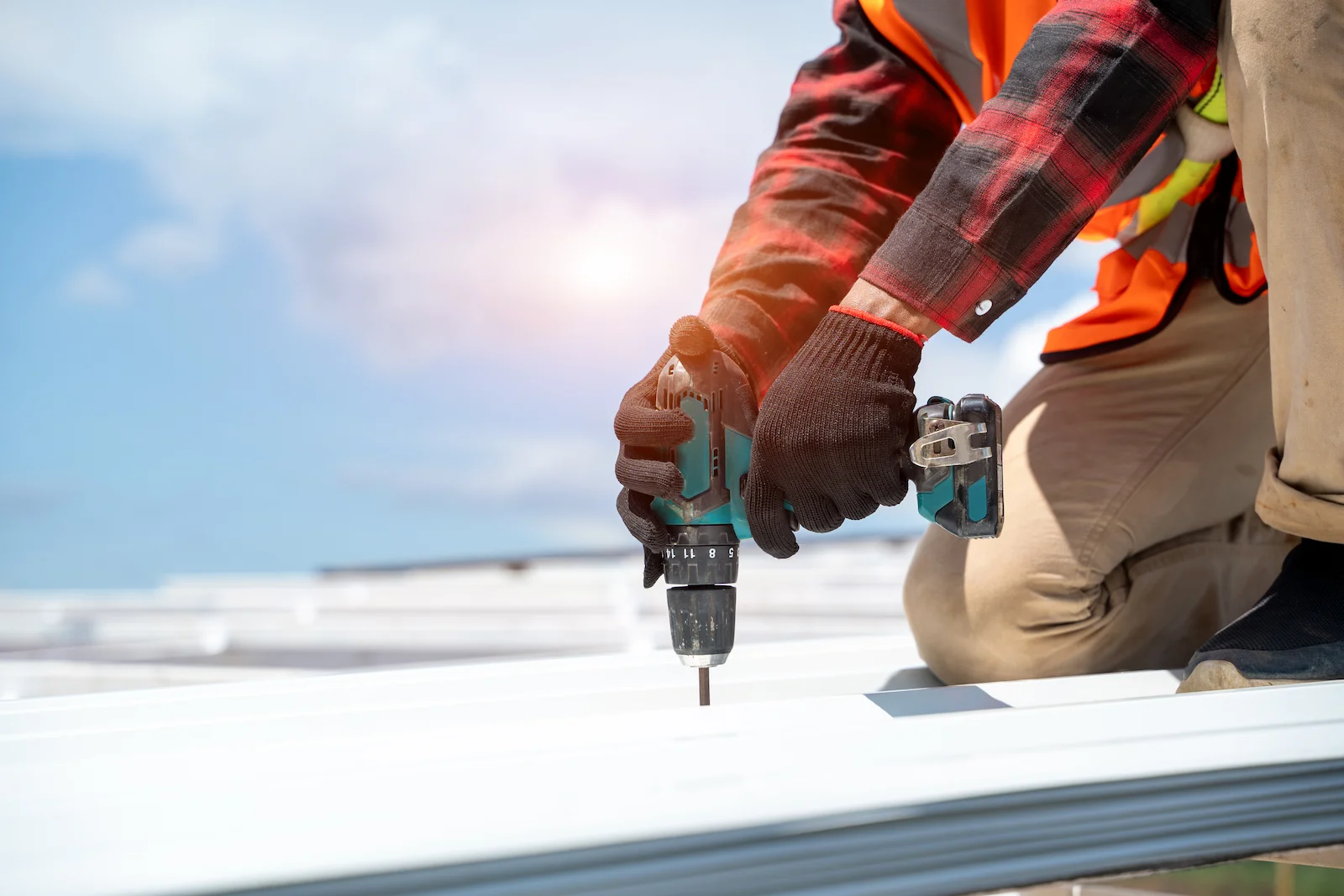
New Roofs in Cork from €6,900
Full reroofs in natural slate, fibre-cement, or concrete tile. BBA-certified materials, fixed-price written quote, 3 to 7 working days typical install.
Get Reroof Quote ->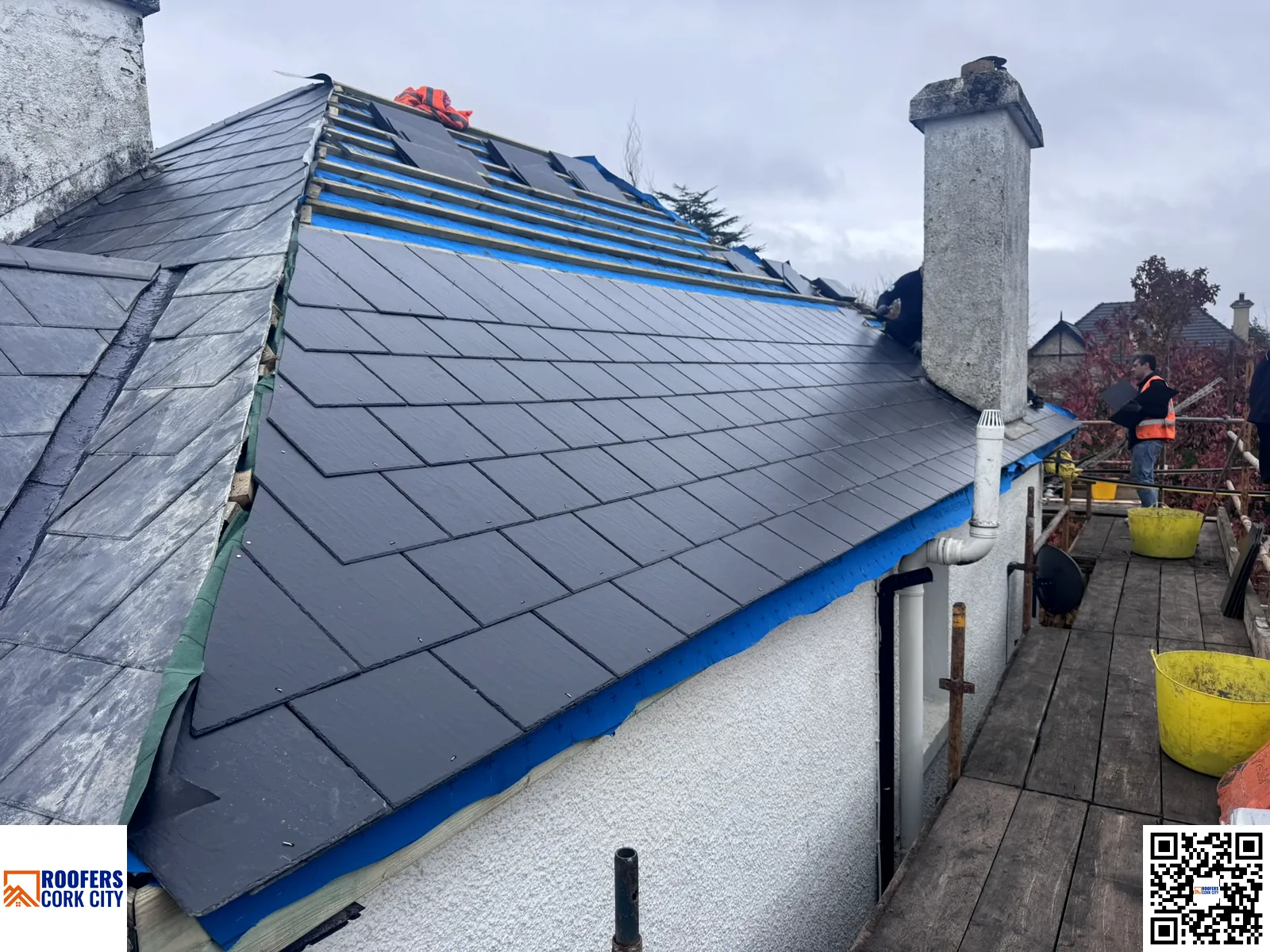
Flat Roof Repairs Cork
EPDM, GRP fibreglass, and torch-on felt for Cork dormers, extensions and garage roofs. Membrane patches from €180, full overlays quoted per job.
Get Flat Roof Quote ->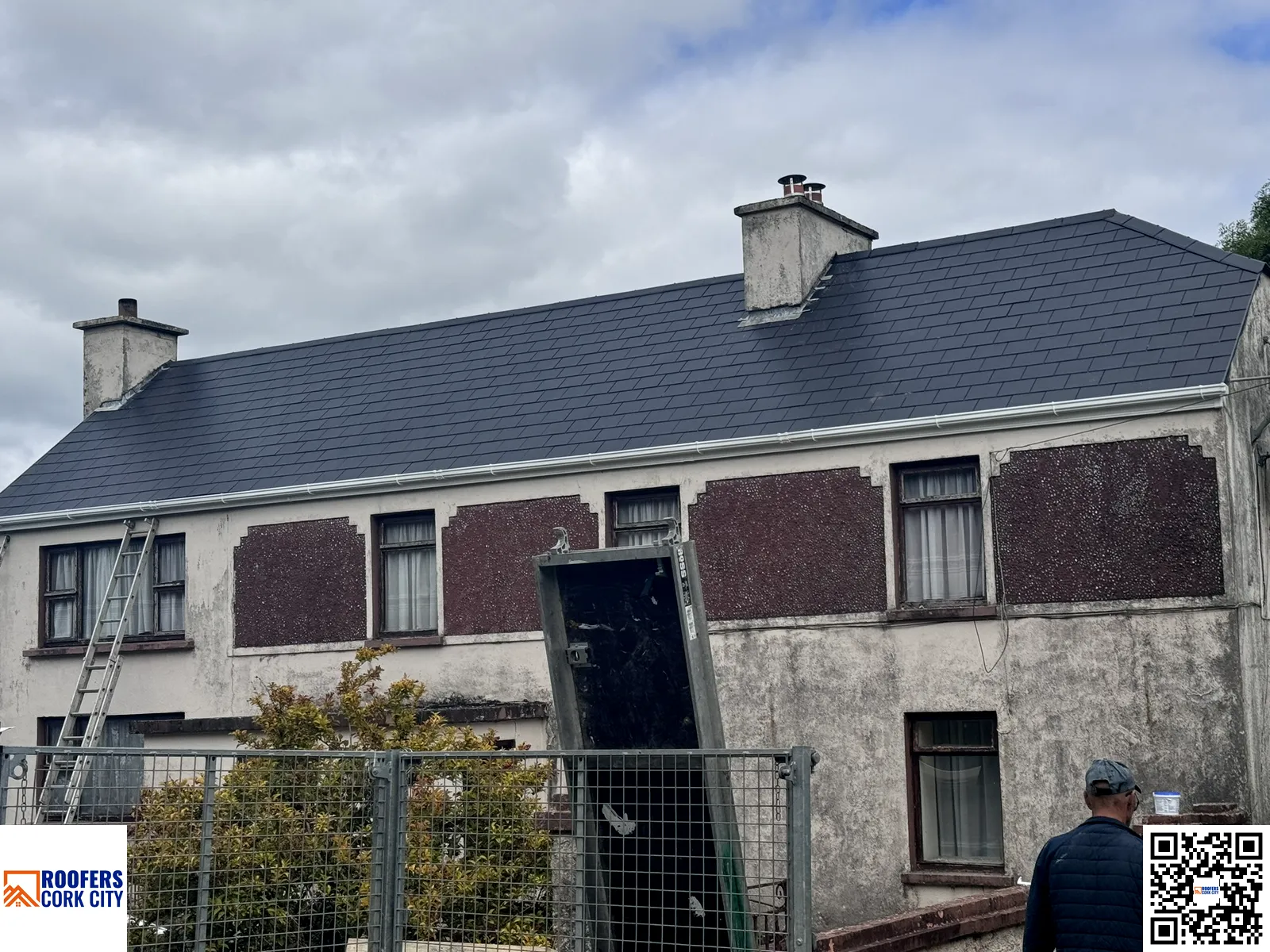
Chimney Sweep & Repair from €60
Chimney sweep €60–€120, flashing rebuilds €350–€900, anti-downdraft caps fitted from €120. Sweep certificate emailed same day for insurance.
Get Chimney Quote ->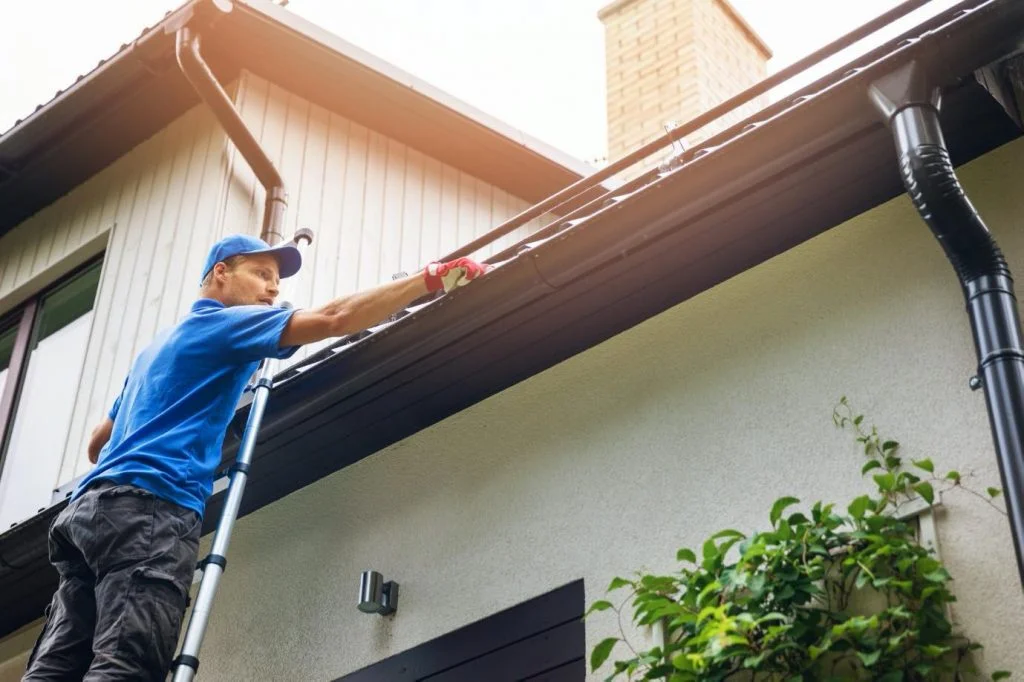
Gutter Services Across Cork
Gutter cleaning from €80, full uPVC replacements from €1,200, aluminium for coastal Cork suburbs, cast iron restoration for heritage homes.
Get Gutter Quote ->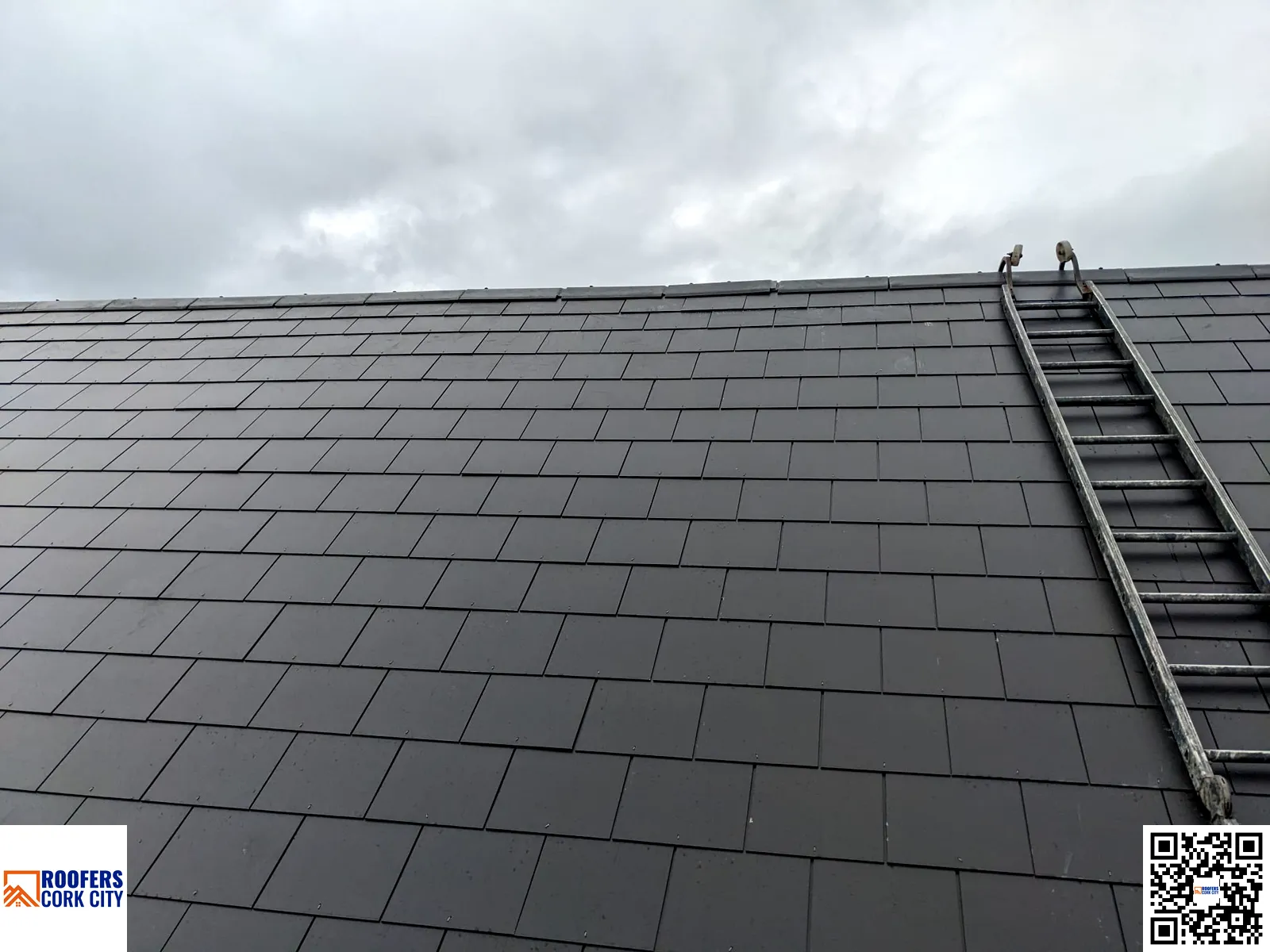
Roof Maintenance & Inspection
Annual check-ups from €120: slate inspection, gutter clear, chimney mortar review, moss treatment, emailed photo report at the end of every visit.
Book Roof Check ->Why Cork Picks Us
Four Reasons Cork Homeowners Choose Roofers Cork City
92 Google reviews say the same four things. We back them with paperwork, photos, and a 20-year written workmanship guarantee on every qualified job. No verbal promises, no day-rate billing, no surprise extras.
What Cork buyers tell us
20-Year Written Guarantee
Every qualified repair and reroof carries a written workmanship guarantee. If the same leak returns inside cover, we fix it at our cost. No fine print.
Written Quote in 24 Hours
After a free site visit and photo inspection, an itemised written quote arrives in your inbox within 24 hours. Fixed price, not a day rate.
4.8★ from 92 Cork Homeowners
Verified Google reviews from real Cork suburbs: Douglas, Ballincollig, Kinsale, Glanmire, Mallow. Read every one before you call.
Cork-Local Since 2008
16+ years working slate, tile, flat and dormer roofs across Cork City and County. We know the wind exposure, the salt air, and the local roof styles.
Cork Service Areas
Cork City & County Cork Areas We Cover
Same Cork crew, same fixed-price written quote, same 20-year workmanship guarantee — from Cork City out to Mallow, Fermoy, Youghal, Clonakilty and Bandon. Tap your area for local pricing, recent jobs and a direct callout.
Roofers Cork City vs. Typical Cork Roofer
How We Differ From a Typical Cork Roofer
Cork has hundreds of roofers. These are the eight practical differences Cork homeowners say made them choose us over a cheaper verbal quote, and stay through repairs, reroofs, and the next gale.
Fixed-Price Written Quote
Itemised quote in 24h via email. Materials, labour, scaffolding, skip, VAT broken out. No day-rate billing, no mid-job extras.
01Photo Report on Every Visit
You see the problem before we quote, and the finished work before we invoice. Sent by email the same day. Insurance-ready.
02€6.5M Public Liability Cover
Full PL insurance with documented cover. Certificates supplied for any commercial job or insurer-led residential claim.
03One Named Contact
Michael runs the job from first call to handover. No phone roulette. No "the guy on the roof doesn't know the quote".
04Written Sweep & Repair Records
Every job ends with an emailed record covering scope, materials used, photos, and what to watch over the next 5 years.
0520-Year Workmanship Guarantee
Every qualified repair and reroof is backed by a 20-year written guarantee on workmanship. If the same fault returns, we redo at our cost.
06Same-Day Storm Response
Active leaks, storm-damaged roofs, and chimney lead pulled off in a gale all get a same-day make-safe across Cork City and County.
07Site Cleaned, Skip Removed
Crew protects the driveway, clears debris daily, removes the skip on the final day, leaves the site spotless before invoicing.
08How a Cork Roof Quote Becomes a Finished Job
Our 4-Step Cork Roofing Process
From the first phone call to the final photo report and 20-year written guarantee, here are the four steps a Cork roofing job runs through. No surprises, no day-rate billing, no "the lads on the roof don't know the quote."
Free Site Visit + Photo Inspection
A roofer comes out, climbs the roof or drone-surveys it, and photographs every fault: slipped slates, perished mortar, lead pulled away, valley blockages. No call-out fee, no obligation.
Written Fixed-Price Quote Within 24h
Itemised quote in your inbox by the next working day. Materials, labour, scaffolding, skip and VAT are broken out separately. The price you accept is the price you pay.
Scheduled Work, Cork-Based Crew
Agreed start date, BBA or NSAI-certified materials, fully insured Cork crew. Most repairs finish in a day; most reroofs in 3 to 7 working days door to door.
Photo Report + 20-Year Written Guarantee
Before/after photos, sweep certificates where relevant, and a written workmanship guarantee emailed at handover. If the same fault returns inside cover, we fix it at our cost.
Latest Projects
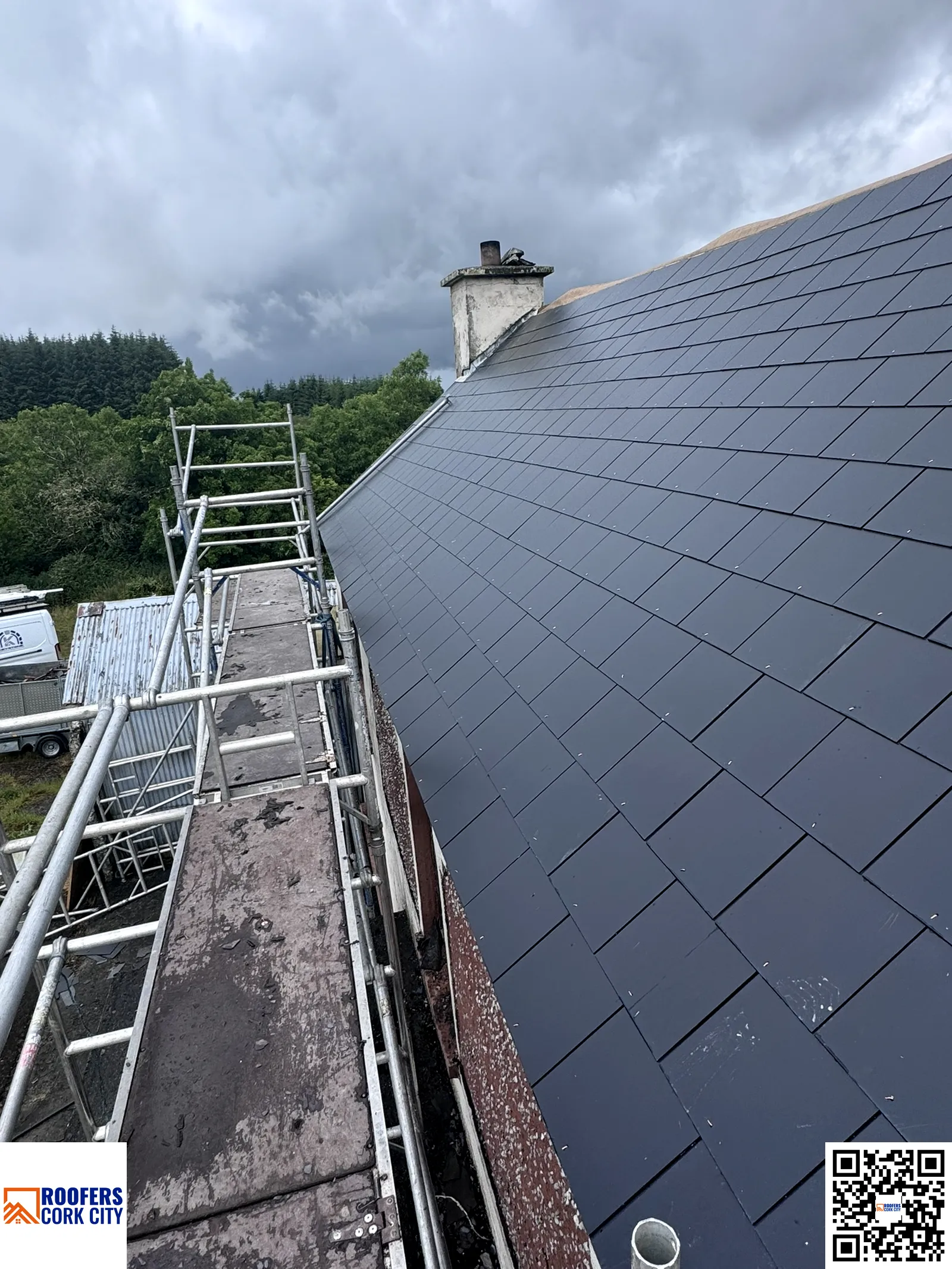
Cork Roof Projects We've Just Finished
Recent roof repairs, full reroofs, chimney flashing rebuilds, and gutter replacements across Cork City, Douglas, Ballincollig, Glanmire, Mallow, Bandon, Kinsale, and County Cork.
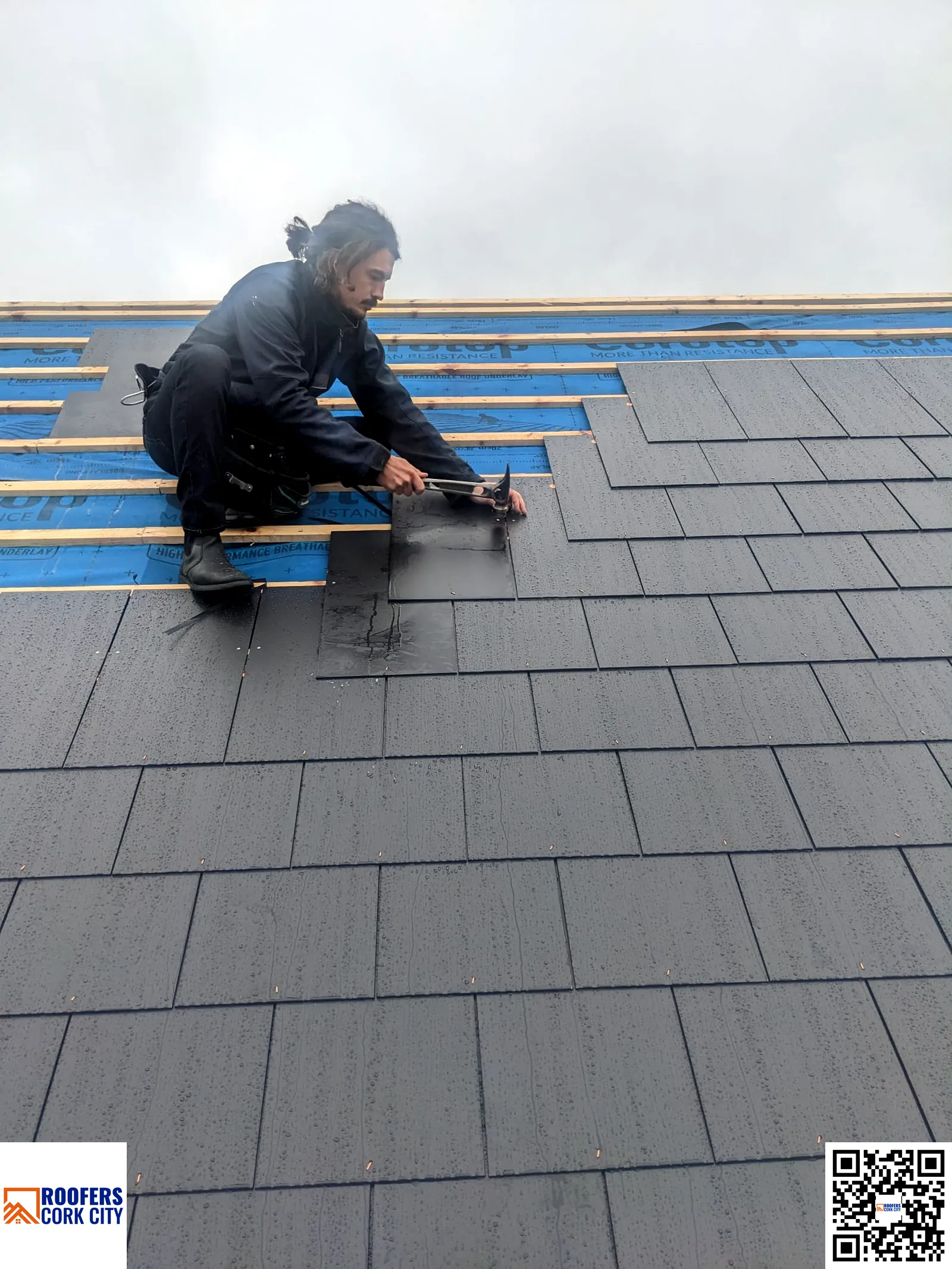
Built for Cork Atlantic weather
Engineered for Cork Weather
Cork roofs take a hammering: Atlantic gales, salt air on the coast, freeze-thaw on inland hills, and the constant moss-growing damp. The materials we choose, the fixings we use, and the workmanship we guarantee are matched to all of it.
16+ Years Cork Roofing
92 Google Reviews · 4.8★
20-yr Written Workmanship Guarantee
Frequently Asked Questions
How Much Does a Cork Roof Cost? FAQs
Real answers to the six questions Cork homeowners ask us most: cost, timeline, leak response, insurance, and what roof types we work on. If yours isn't here, ring the team.
Talk To A Roofer · 021 202 8387How much does a new roof cost in Cork?
A new roof in Cork typically costs €6,900 to €10,000 for a standard semi-detached, €8,000 to €14,000 for a detached home, and €11,000 to €18,000 for a dormer bungalow or larger property. Cost varies by pitch, material (natural slate, fibre-cement slate, or concrete tile), access, and whether scaffolding and a skip are needed. Every quote is itemised, fixed-price, and written.
How much does a roof repair cost in Cork?
Common Cork roof repairs run €150 for a slipped slate up to €1,200 for a full chimney flashing rebuild. Ridge repointing is €180 to €450. Valley relining €350 to €900. Storm-damage make-safe €180 to €300. We photograph the fault and email a written fixed-price quote before any work starts.
How long does a Cork reroof take?
Most Cork reroofs run 3 to 7 working days door to door. A standard semi-detached strip-and-replace typically takes 4 days, a detached home 5 to 7 days, and a dormer bungalow 6 to 10 days depending on access. Scaffolding goes up day one, skip is removed on the final day.
What should I do if my roof is leaking right now?
Ring 021 202 8387 for a same-day Cork callout — or read our emergency roof repair Cork guide. Put a bucket under the active drip, move furniture and electronics clear, and photograph the ceiling stain for the insurer if it is a storm claim. We respond the same day across Cork City and County Cork with a temporary make-safe before any quote.
Are you fully insured and is the work guaranteed?
Yes. €6.5M public liability cover, full CRO registration, and a 20-year written workmanship guarantee on qualified roof repair and replacement work. Insurance certificates and warranty paperwork are emailed at job handover for your records.
What types of roof do you work on in Cork?
Every Cork roof type: natural slate, fibre-cement slate, concrete tile, flat EPDM, GRP fibreglass, standing-seam metal, and torch-on felt. We match the repair method to the existing material, never force one product across every job, and source matching slates and tiles where the original profile is still available.
Roofing Advice
Cork Roofing Guides: Costs, Repairs, Chimneys
Practical Cork-specific guides: typical reroof costs, when to repair vs replace, and why Cork chimneys lose flashing before the roof tiles do. Written by the team that works on these roofs every week.
Cork Reroof Costs
How Much Does a New Roof Cost in Cork?
A semi-detached reroof runs €6,900 to €10,000. Detached homes €8,000 to €14,000. Dormer bungalows €11,000 to €18,000. Get a fixed-price written quote in 24 hours.
Read More -> Repair or Replace
Cork Roof Repairs vs Full Reroof: How to Decide
A €180 ridge repointing might be the right call, or it might be a sign your Cork roof needs a 5-year plan. We tell you which, in writing.
Read More -> Chimney Care
Why Cork Chimney Flashing Fails First
Cork chimneys lose lead flashing before the roof tiles do. The Atlantic freeze-thaw cycle, gales, and the mortar joint behind the upstand do the damage.
Read More ->From the blog
Cork Roofing Guides & Recent Articles
Written by Michael Casey and the Roofers Cork City team — Cork pricing, Cork weather, Cork housing stock. The same advice you'd get on the phone, just written down.
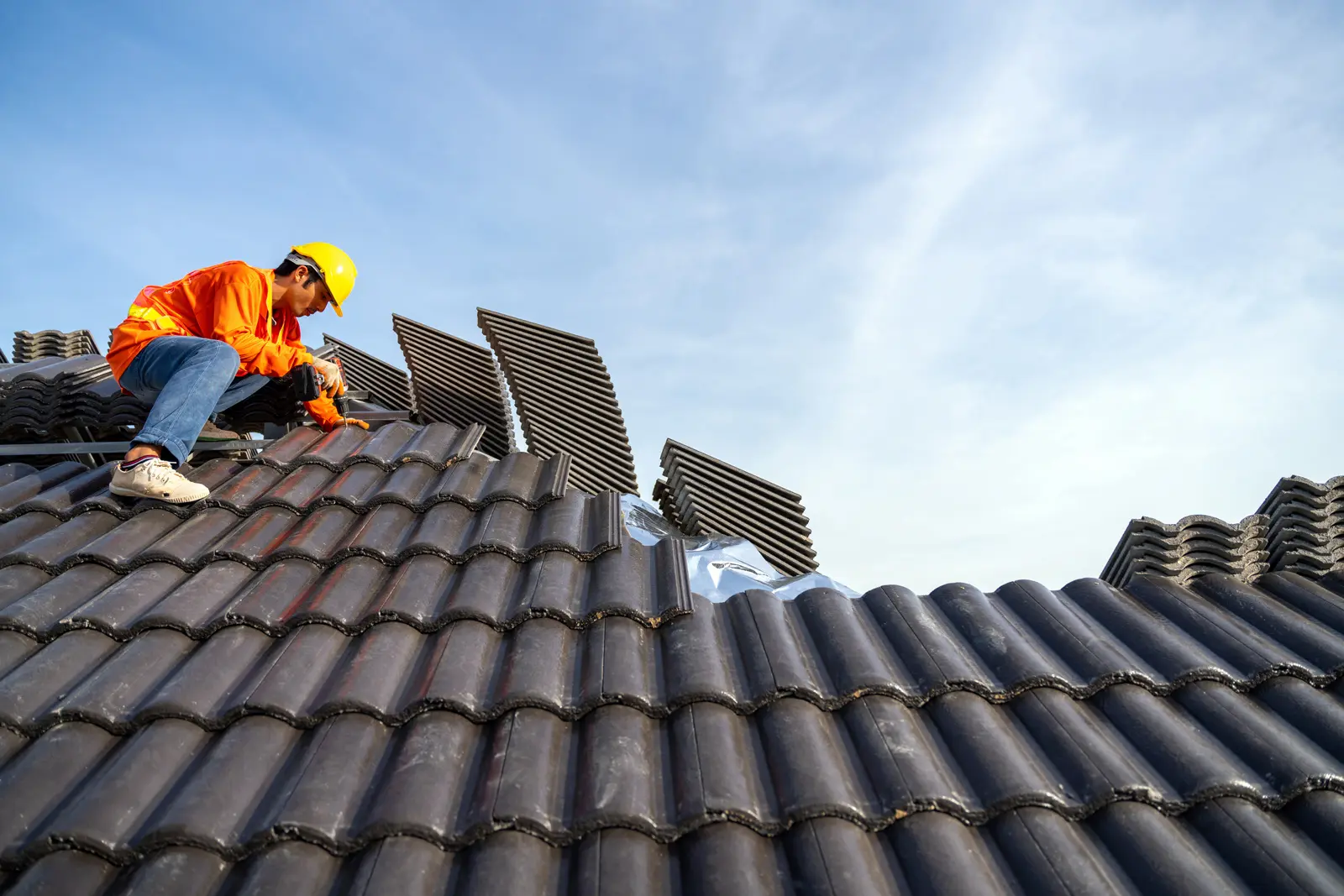
Case Study · Douglas
Roof Repairs in Douglas, Cork: What €150 Actually Buys (Real Job)
Real €150 Cork roof repair job in Douglas, walked through line-by-line. What's included, when €150 becomes €380, and why the cheapest quote is usually the.
Read article
Case Study · Lead Valleys
Lead Valley Repair on a 1930s Cork Terrace: Full Restoration Cost Breakdown
Real 2026 Cork lead valley restoration walked through line-by-line. €2,850 + VAT, code 5 lead on a Turner's Cross terrace, full 5-day timeline.
Read article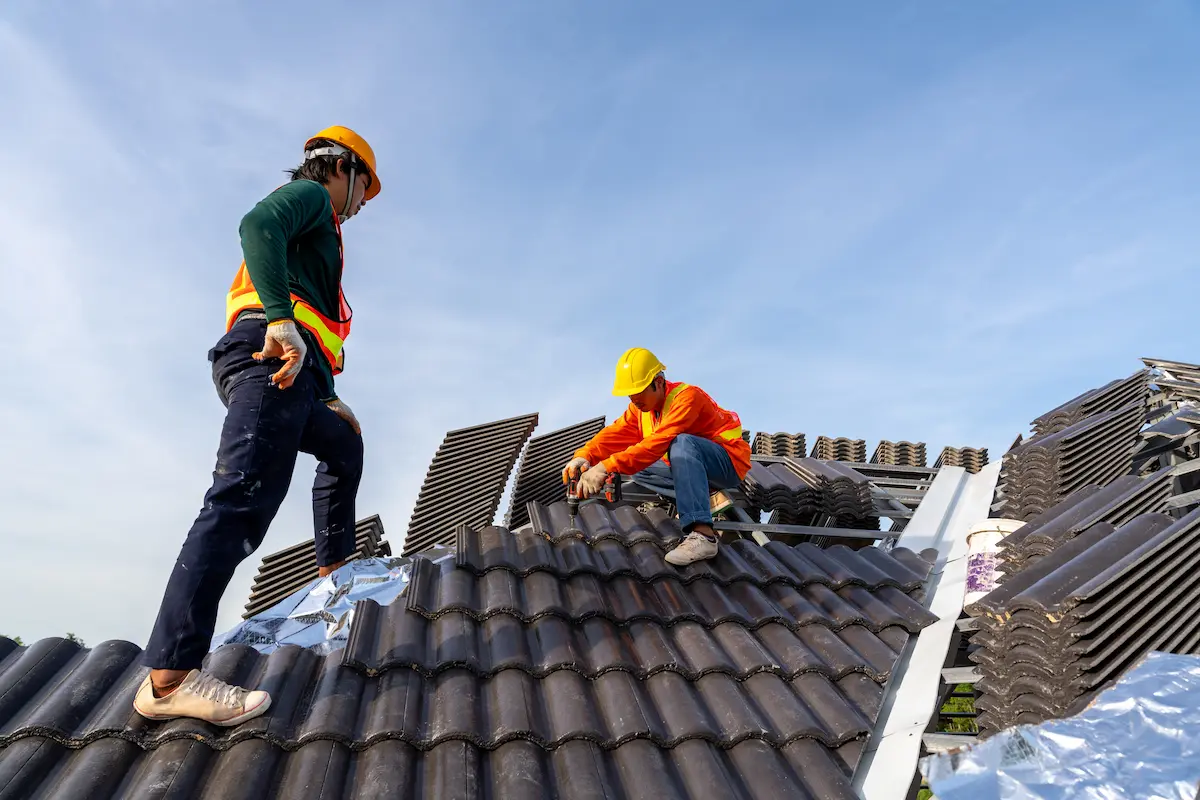
Coastal Cork · Materials
Coastal Cork Salt Erosion: What We Replace Every 8–12 Years on Cobh & Crosshaven Roofs
Salt-laden Atlantic winds shorten the service life of every metal, mortar and timber roof component in coastal Cork. Year-by-year replacement schedule with.
Read article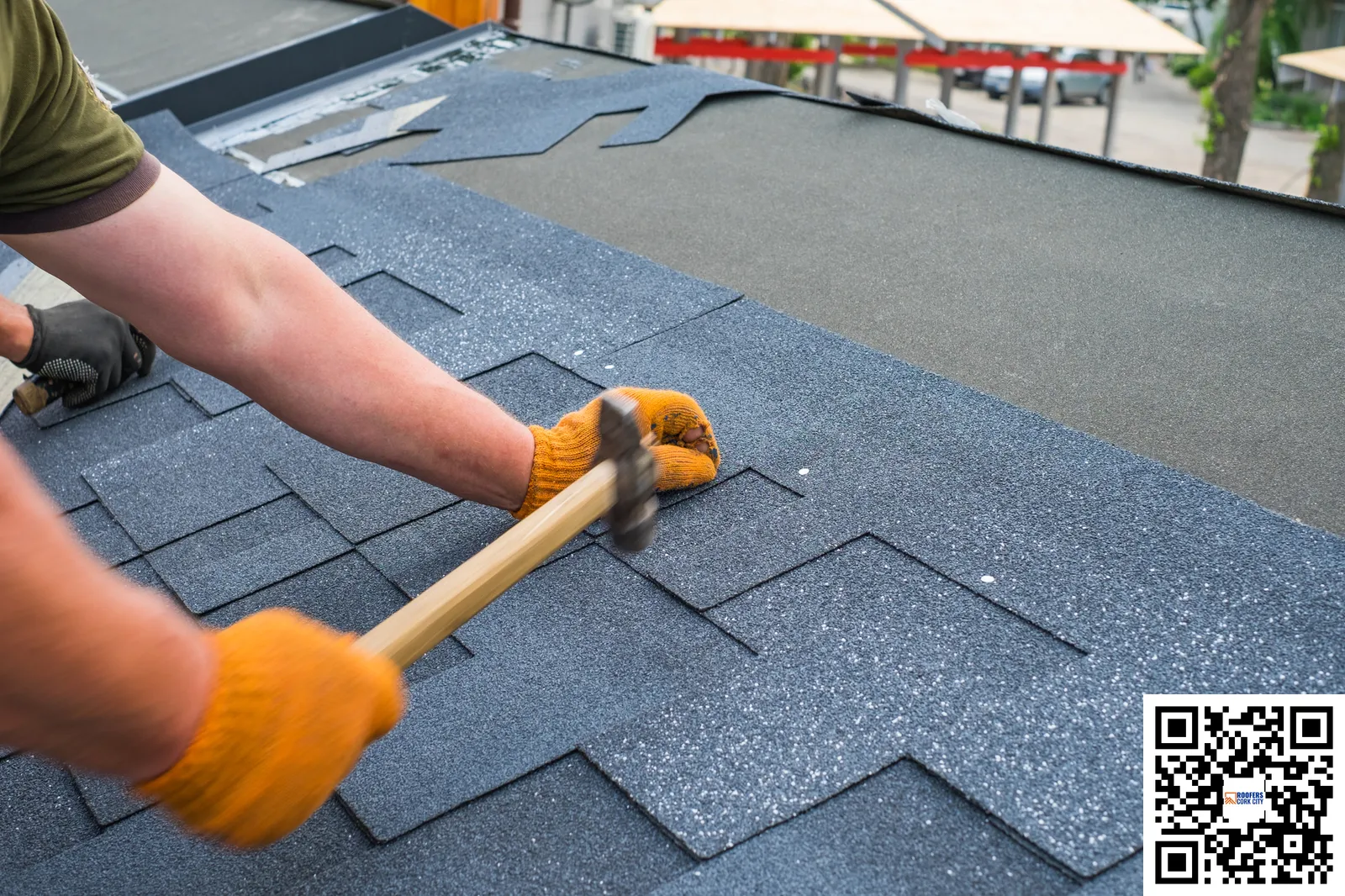
Get Your Free Cork Roof Quote
Free Written Cork Roof Quote in 24 Hours
Ring the team for a same-day Cork callout, or send a 3-step quick quote request and we'll be on the roof, photo report and written fixed-price quote in your inbox within 24 hours.