One Named Storm, 6 Cork Roofs: A 4-Day Emergency Callout Log
When a named storm crosses Cork, the phone does not ring once, it rings for four days straight. This is the log from one recent named storm: 6 roofs across 6 suburbs in 4 days, from the first Friday-night tarp in Douglas to the last permanent fix in Wilton. Real job order, real 2026 Cork rates, no invented drama.
Key Takeaways
- Storm triage order: active leaks first, exposed felt next, cosmetic damage last.
- An emergency tarp or make-safe is €180-€350 inc. VAT in 2026 Cork pricing.
- Out-of-hours or weekend callouts add +€80-€150 on top of the job band.
- The permanent fix waits for a dry roof. The tarp is what buys you that time.
- Every storm callout comes with a dated photo report, ready for your insurer.
How does storm triage work in Cork?
A named storm does not produce six identical emergencies. It produces a queue of very different problems that all feel identical to the person standing under them with a bucket. Triage is how we decide who gets the van first, and it has nothing to do with who rang first.
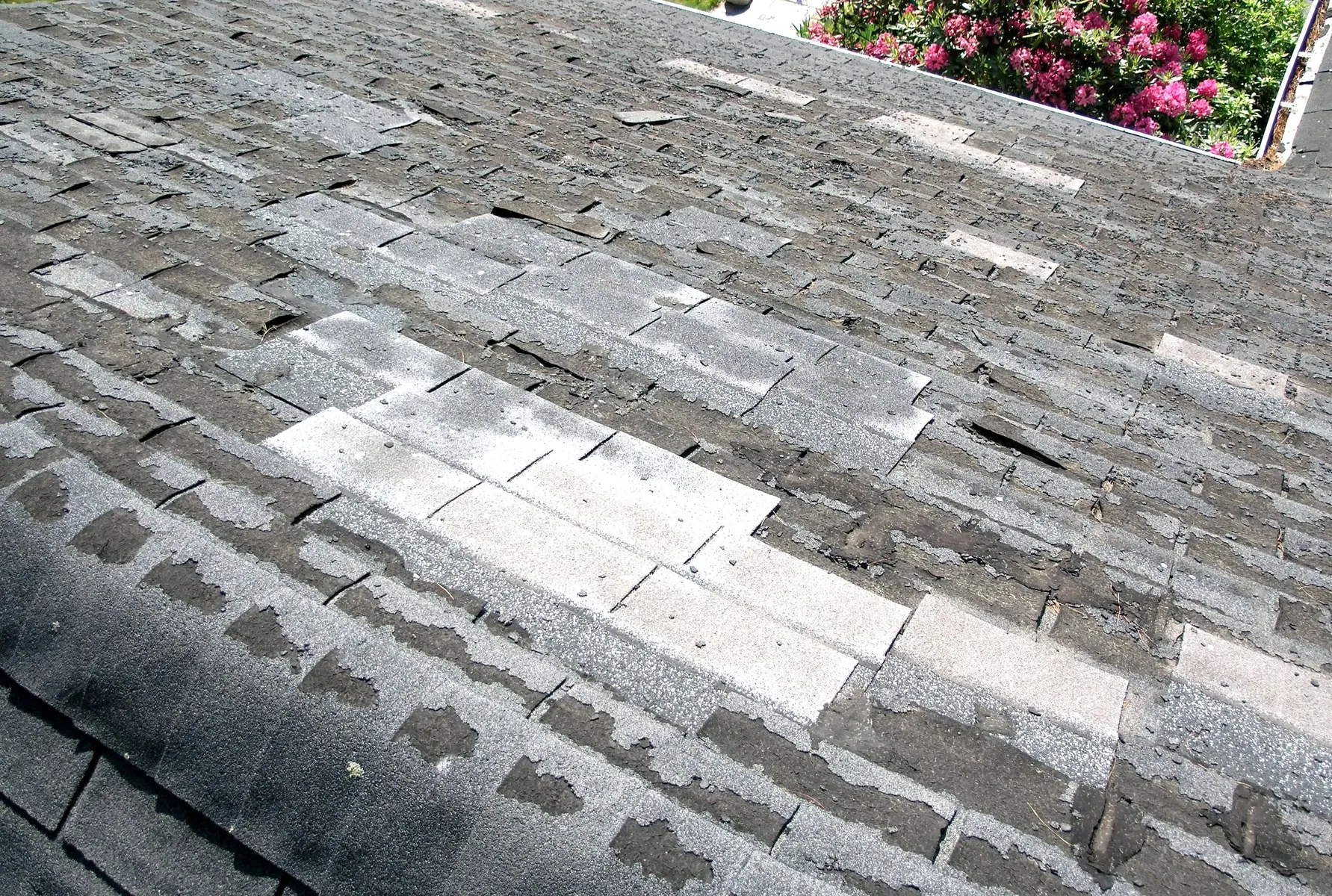
The order is simple. Active water coming into the house goes first, because every hour of that is ceiling, insulation and wiring damage. Roofs with exposed felt but no water inside come second, because the next band of rain turns them into the first group. Cosmetic damage, a tile on the lawn with the felt intact, comes last. It looks the worst and costs the least.
Four questions sort the queue before we leave the yard. Is water coming in right now? Can you see daylight or bare timber where a tile was? Is anyone in the house vulnerable? Can you send a photo? A clear phone photo from the ground or an upstairs window tells us more than ten minutes of description, and it means we arrive with the right tarp, the right tiles and the right ladder.
What did a week of storm callouts cost in 2026?
Below are the bands this storm week actually landed in, 2026 Cork pricing with VAT included at the 13.5% rate that applies to qualifying roofing work. The tarp band and the out-of-hours surcharge are the two figures most homeowners have never seen written down, so they are at the top.
| Storm-week job type | Cork price (2026, inc. VAT) | Time on roof |
|---|---|---|
| Emergency tarp / temporary make-safe | €180-€350 | 1-2 hours |
| Out-of-hours / weekend surcharge | +€80-€150 | Added on top |
| Single slipped tile or slate | €150-€220 | 30-60 min |
| Multiple slipped tiles, one elevation | €380-€650 | Half day |
| Strip-back with torn underlay | €420-€720 | Half day to 2 days |
| Ridge tile re-bed (single section) | €220-€420 | 2-3 hours |
| Scaffolding (when ladder access fails) | +€280-€650 | Added on top |
Day one: two tarps before dark
Friday. The named storm was due through in the early hours, and by mid-morning the first band had already taken tiles off roofs on the south side. By two in the afternoon we had nine voicemails. Triage put two houses at the top: an active leak over a bedroom in Douglas, and water tracking down a party wall in Mahon.
The Douglas job was four slipped concrete tiles on a 1990s semi-D, felt torn, water coming through the bedroom ceiling. Ladder access, front elevation. We sheeted the exposed strip with a tarp battened under the surviving courses, sealed the edges, and re-sat two loose ridge tiles by hand so they would not become missiles overnight. Tarp band, plus the out-of-hours surcharge because it was after six. This is the same Douglas estate stock as our €150 Douglas repair job log, except the felt had gone with the tiles, which is what turns a €150 job into a strip-back conversation.
The Mahon job was a ridge tile sitting at a thirty-degree angle on a mid-terrace, with the mortar bed cracked straight through. No water inside yet, but the ridge was moving with every gust. We lifted the loose section, cleared the failed mortar, and tarped the ridge line as a make-safe. Second tarp of the day, still inside the €180-€350 band. Homeowners often ask why we did not just re-bed the ridge there and then. Wet ridges and fresh mortar do not mix, and a storm-week evening is not the time to learn that the hard way.
Days two and three: make-safe across the suburbs
Saturday was Blackrock and Ballincollig. The Blackrock callout was a chimney apron: the wind had worked a section of lead flashing loose and water was staining the chimney breast inside. Ladder and roof ladder, apron re-dressed and clipped as a temporary fix, photo report written in the van. That one goes into the €380-€650 lead band for the permanent dressing, quoted separately.
Ballincollig was the biggest job of the week: eleven tiles off one elevation of a 1980s estate house, several smashed on the driveway. That is squarely in the multiple-tile band, €380-€650, but not on a Saturday in the rain. We tarped the full elevation, swept the drive, and booked the strip-back and re-lay for the first dry morning. Two hours on site, make-safe band.
Sunday morning was Glanmire, and it is the callout I wish more people would make. The homeowner reported a roof leak over the hall. On the ladder it was a gutter rammed with wind-blown leaves and twigs, overflowing straight down the wall and in at the eaves. No tile damage at all. Gutter clear, downpipe flush, photo report. The cheapest fix of the week and the only one that was finished on the first visit.
What the Ballincollig homeowner said on the Saturday: "I thought eleven tiles meant a new roof." It meant a tarp on Saturday and a half-day re-lay on Tuesday. Storm damage looks catastrophic from the lawn. On the roof it is usually a component failure, priced by the band, not by the fear.
Storm damage in Cork? Send a photo, get triaged today.
Active leaks go to the top of the list. Free photo assessment, written quote inside 24-48 hours, and every storm callout comes with a dated photo report for your insurer.
Day four: the permanent fixes once the roofs dried
Tuesday was the first settled forecast, and dry roofs are when storm week stops being emergency work and starts being roofing. First stop was Wilton: a strip-back on a 1980s tile roof where Saturday's tarp had been covering torn underlay. Tiles off, breathable underlay patched in, battens checked, tiles re-laid and re-nailed. Strip-back band, €420-€720, half a day.
Then back to Douglas to do Friday's job properly. The four slipped tiles were re-fixed with copper clouts, the torn felt section patched from inside the strip-back, and three loose neighbouring heads re-nailed while we were up there. Ballincollig's eleven-tile elevation closed out the afternoon, new Sandtoft Standards where the originals had smashed, at €15-€25 per replacement tile.
Six roofs, four days, and only one of the six needed more than the make-safe plus a band-priced repair. That ratio is normal. The named storm gets the headlines, but the follow-through, tarp, dry-out, band-priced fix, is where the money is actually saved.
What is the difference between a make-safe and a permanent fix?
A make-safe stops water entering the house and stops loose material leaving the roof. Tarp, batten, clip, clear. It is fast, it works in marginal weather, and it carries a 12-month guarantee as a temporary measure. It is not a repair and it is not priced like one.
A permanent fix needs dry timber, a settled forecast and daylight. Mortar will not cure on a wet ridge, underlay patches will not bond to a soaked deck, and no crew should be on a pitched roof while the gusts that caused the damage are still landing. Splitting the two on the invoice, tarp at €180-€350 now, band-priced repair later, means you only pay emergency rates for the emergency part. The full service breakdown is on our Cork roof repair service page, and the 24-hour response side of the work is on the emergency roof repair Cork page.
What does your insurer need after storm damage?
Insurers do not need you to be a roofer. They need a paper trail. Dated photos of the damage before anything is touched, a written scope of works describing the permanent fix, and an itemised invoice separating the make-safe from the repair. Get those three and most storm claims are a paperwork exercise rather than a fight.
Every storm callout we do includes a photo report as standard: the damage as found, the make-safe as fitted, and the permanent fix as completed. Two things to know before you claim. First, wear and tear is normally excluded, so a ridge that failed because the mortar was twenty years past its life may not be covered the way wind-lifted tiles are. Second, do not authorise permanent work before your insurer has seen the damage, unless it is needed to make the house watertight, which policies expect you to do.
Frequently asked questions
Storm callout FAQs
What should I do first if my roof leaks during a storm in Cork?
Move anything water can damage, put a container under the drip, and take photos of the ceiling and the roof from the ground. Do not climb a ladder in wind. Call a roofer with the photos: an active leak goes to the top of the triage list, and a tarp make-safe can usually be fitted the same day once the gusts drop below working limits.
How much does emergency roof tarping cost in Cork?
An emergency tarp or temporary make-safe in 2026 Cork pricing is €180-€350 including VAT, depending on access and the area being covered. Out-of-hours or weekend callouts add €80-€150 on top. The tarp is billed as its own job and carries a 12-month guarantee; the permanent repair is quoted separately in writing once the roof has dried.
Why can the permanent repair not happen on the same day as the tarp?
Permanent roofing work needs a dry roof and a settled forecast. Mortar, underlay and sealants all fail if they are fitted onto wet timber or in driving rain, and a crew cannot safely work a pitched roof while gusts are still landing. The tarp buys you a dry house for days or weeks while we schedule the proper fix for the first safe, dry window.
Will my home insurance cover storm damage roof repairs in Cork?
Most Irish home policies cover sudden storm damage, subject to your excess and your insurer's terms, but wear and tear is normally excluded. What insurers ask for is evidence: dated photos of the damage, a written scope of works, and an itemised invoice. We supply a photo report with every storm callout so you have the paper trail before the loss adjuster asks for it.
How quickly can you respond to a storm callout in Cork?
Same-day for active leaks across Cork City while conditions are safe to work, with triage deciding the order: water coming in first, exposed felt next, cosmetic damage last. In the 48 hours after a named storm, expect a queue, and expect the first visit to be a make-safe rather than the full repair. Non-urgent permanent fixes are scheduled within the following week.