Torn Felt Under Sound Tiles: Wilton Strip-Back Job Log
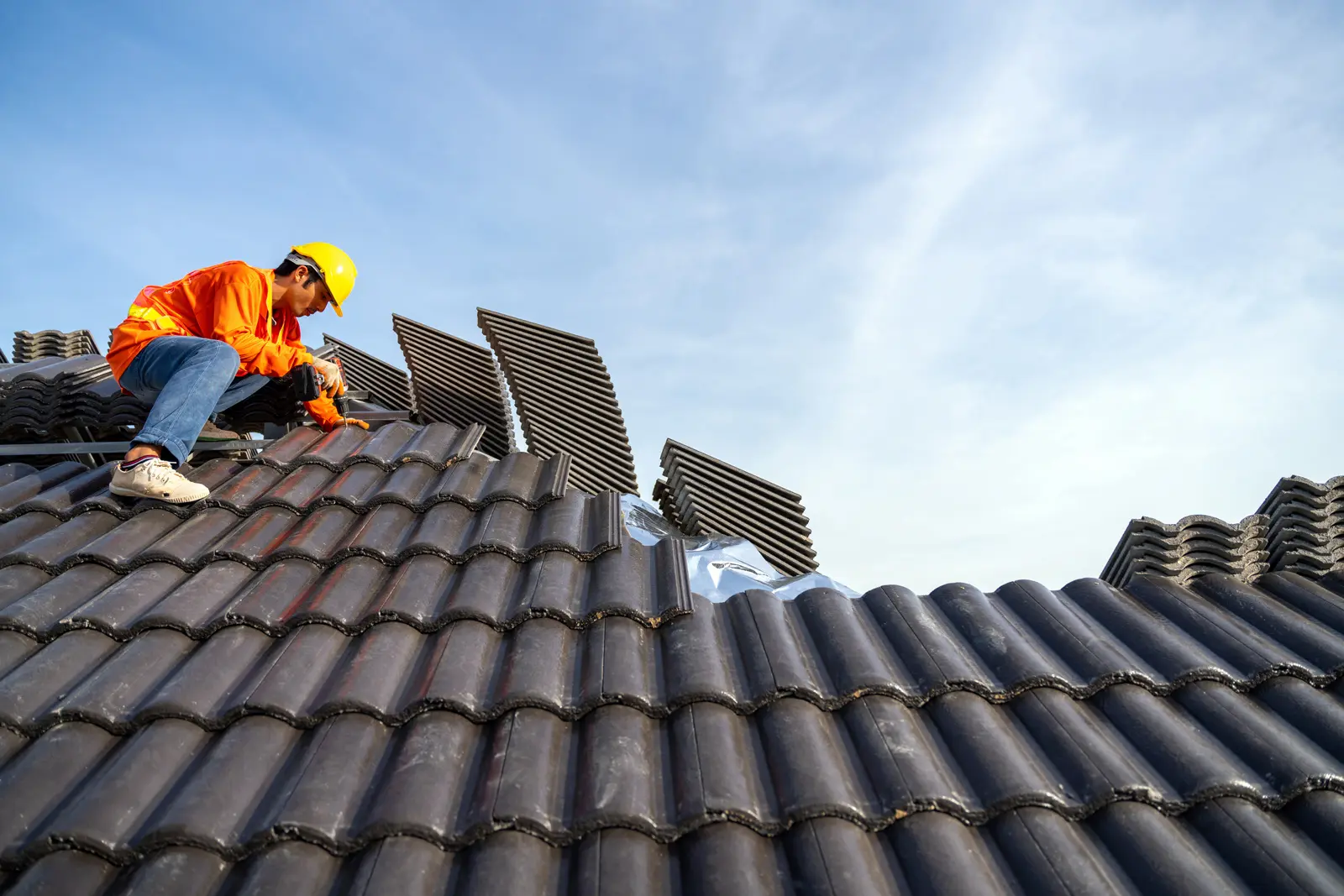
The tiles on this 1980s Wilton semi-D were fine. The felt underneath them was not. A damp patch on the landing ceiling turned out to be six metres of perished underlay along the eaves, and the fix was a full strip-back: tiles off, battens checked, breathable membrane in, tiles back on. Two days on the roof, invoice itemised line by line.
Key Takeaways
- Roof felt repair cost in Cork, 2026: €420-€720 inc. VAT for a strip-back with torn underlay.
- A rotten batten found mid-strip adds €80-€140. Scaffolding, if a ladder will not reach, adds €280-€650.
- Sound tiles are salvaged and re-laid. You do not pay for a new roof, only new underlay.
- This Wilton job took two working days: strip and re-felt day one, salvage check and re-lay day two.
- Daylight in the attic or a damp ceiling means the felt stage has already passed. A slipped tile with dry felt stays a €150-€220 repair.
What does roof felt repair cost in Cork in 2026?
The honest answer to "roof felt repair cost" is that felt is never repaired on its own. It sits under the battens and tiles, so the price is really the price of a strip-back: lift the tiles, cut out the battens over the damage, replace the underlay, re-lay. In 2026 Cork pricing that runs €420-€720 including VAT, from a half day on a small porch section to two full days on an elevation like this Wilton job. Qualifying roofing work carries 13.5% VAT (Revenue Commissioners).
Prices below are from our Cork job log, 2026 rates, VAT included. The single-tile and multi-tile bands are shown for context, because most felt jobs start life as a slipped-tile callout.
| Repair type | Cork price (2026, inc. VAT) | Time on roof |
|---|---|---|
| Single slipped tile or slate, felt dry underneath | €150-€220 | 30-60 min |
| Multiple slipped tiles, one elevation | €380-€650 | Half day |
| Strip-back with torn underlay (this article's job) | €420-€720 | Half day to 2 days |
| Rotten batten found during strip-back | +€80-€140 | Added on top |
| Scaffolding (when ladder access doesn't work) | +€280-€650 | Added on top |
The two adders are worth understanding before anyone climbs a ladder. A rotten batten only shows once the tiles are off, which is why every strip-back quote we issue names the €80-€140 batten figure up front as a conditional line. Scaffolding is the other wildcard. This Wilton semi-D was a 30-degree pitch off a triple-extension ladder with a harness anchor, so no scaffold. A dormer or a three-storey elevation would have added €280-€650 before the felt was touched.
How did the Wilton job start?
Tuesday morning, March 2026. A 1980s semi-D on one of the hospital-side estates in Wilton, standard Sandtoft concrete tile, rear extension with a flat roof like most of that stock. The homeowner had a damp patch the size of a dinner plate on the landing ceiling, growing after every wet westerly. She had already been quoted for "a new roof" by someone who never went up a ladder.
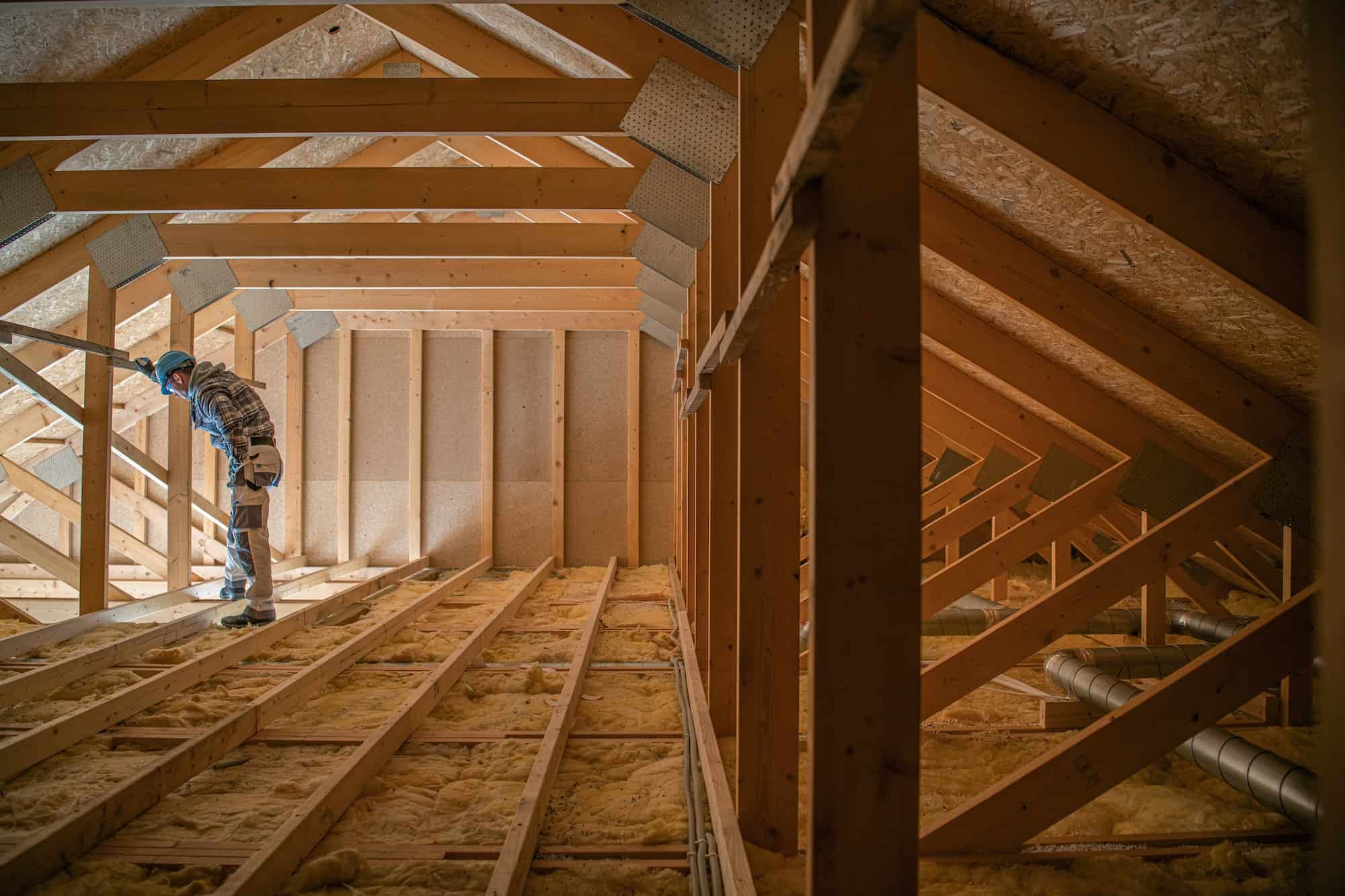
First check is always the attic, not the roof. Torch off, eyes up. Daylight at two points along the front eaves, and the felt over them was gone to dust and strands. Classic 1970s-1990s failure: the original bitumen felt had perished where it draped into the gutter line, the coldest and wettest detail on the roof. The tiles above were sound. Nail heads firm, no slip, no sag. This was an underlay job, not a tile job and not a new roof.
That distinction is the whole economics of felt work. I covered the small end of it in the €150 Douglas repair job log: a slipped tile with dry felt under it stays a €150-€220 fix, and torn felt is the paragraph where the price escalates. This Wilton job is that escalation paragraph written out in full, two days long.
Day one: strip-back, batten check and the underlay spec
Day one started at 8:30 with the tiles coming off the front elevation in courses, lowest first. Every sound tile was stacked on the scaffold-free ladder platform and passed down in batches. Concrete tile from the 1980s is tough; 96% of what we lifted on this job went back on. Broken or spalled tiles went in a separate pile for counting, because replacements are billed per tile at €15-€25 for a Sandtoft Standard from Roof Tile Supplies in Little Island, and the homeowner sees the count.
With the tiles off, the battens over the damaged run came out and every remaining batten got the scratch test along its length. One batten at the eaves line was soft where the failed felt had been dripping into it for years. Sistered and treated, the €80-€140 conditional line on the quote, flagged to the homeowner by photo before we touched it.
Underlay spec matters more than the tile on these roofs. The original was non-breathable bitumen felt, which is why the attic had condensation staining well away from the actual tear. We fitted a modern breathable membrane, lapped 150mm and taped, dressed into the eaves with a support tray so it cannot sag into the gutter and pond. That tray detail is where the original felt failed; it is the first thing we fit and the last thing we photograph.
Day two: tile salvage, re-lay and the itemised invoice
Day two was the re-lay. New battens gauged to the original courses, salvaged tiles back on in the same pattern, every tile re-nailed with 65mm copper clout nails, pence each, because a re-laid tile that is only nib-hooked will slip inside five winters. Replacement tiles went in scattered through the courses rather than in a patch, so the elevation weathers evenly and you cannot read the repair from the road.
The ridge line and the abutment with the rear flat roof got a close inspection while we were up there, included in the strip-back price. Both sound. The flat roof on the extension is a separate conversation for another year, and we said so in writing.
The invoice went out itemised: strip-back labour and disposal, breathable membrane and trays, one sistered batten, the counted replacement tiles, copper fixings, VAT at 13.5%. Every line on it had been named on the written quote beforehand, including the conditional batten line. Nothing appeared on the invoice that was not on the quote. Total time across the two days: fourteen labour hours, one elevation, zero ceiling stains since.
What the homeowner said when the invoice arrived: "The other fella said I needed a new roof. You gave me my old one back." The tiles were hers. The felt was the only thing that had actually failed.
Why does felt fail on 1970s-1990s Wilton tile roofs?
Wilton's housing stock is mostly 1970s-1990s tile with rear-extension flat roofs, and the felt on those roofs is hitting 30 to 50 years old. Bitumen felt does not fail evenly. It fails where it works hardest: the eaves drape into the gutter, the laps around the soil pipe, anywhere it was stretched over a sharp arris. UV does the rest once a tile slips and leaves it exposed.
The trap for homeowners is that perished felt is invisible from the ground. The tiles look fine because they are fine. The first symptom is inside: a damp ceiling, a musty attic, or daylight where daylight should not be. By the time water marks the landing, the felt has been open for months and the strip-back is unavoidable. The twice-yearly ground and attic check is cheap insurance; catching a slipped tile while the felt is still dry keeps you in the €150-€220 band and out of this one.
Felt tear or bigger problem: how do we quote it?
We quote felt work off a photo report, never off a phone description. Attic photos first, then the roof if access allows, then a written fixed price with the conditional lines named: battens at €80-€140 if soft, scaffold at €280-€650 if the ladder will not do it safely. You know the worst-case number before we lift a tile.
If the strip-back opens up something bigger, rotten rafter feet, valley failure, a flat roof at end of life, that goes out as a separate written quote and you decide. We never fold surprise scope into a running job. For the wider price list across every repair type, see the roof repair Cork service page, and for valley work on older period stock the lead valley job log from a Turner's Cross terrace shows the same itemised approach on a bigger job.
Damp ceiling or daylight in the attic in Wilton? Send a photo, get a fixed price in 24h.
Free written quote inside 24 hours, no call-out fee, conditional lines named up front. Michael personally reviews every quote before it goes out. 20-year written workmanship guarantee on the re-lay.
Frequently asked questions
Roof felt repair FAQs
How much does roof felt repair cost in Cork?
In 2026 Cork pricing, a strip-back with torn underlay replacement is €420-€720 including VAT, running from a half day to two days depending on how much roof has to come off. A rotten batten found during the strip-back adds €80-€140. If ladder access will not work and scaffolding is needed, add €280-€650 on top.
Can torn roofing felt be patched without stripping the tiles?
Not properly. The felt sits under the battens and tiles, so any real repair means lifting tiles, cutting out battens over the damaged section, replacing the underlay, and re-laying. Anyone offering to patch felt from the attic is bridging a tear that water will find again. The strip-back is the job.
How long does a felt strip-back take on a Wilton home?
Two working days is typical for one elevation on a 1970s-1990s Wilton tile home. Day one is the strip-back, batten check and new breathable underlay. Day two is the tile salvage check, re-lay and re-nail. A small section over a porch can be a half day. Weather can stretch the programme because we never leave an open roof overnight.
Do my existing tiles go back on after a felt repair?
Yes, that is the point of a strip-back. Sound concrete tiles are salvaged, stacked and re-laid on the new underlay. Only broken or spalled tiles are replaced, at €15-€25 each for a replacement Sandtoft Standard from Roof Tile Supplies in Little Island. On this Wilton job 96% of the lifted tiles went back on.
Is torn felt covered by home insurance in Ireland?
Perished or worn felt is generally treated as wear and tear, which standard home policies exclude. Felt torn in a named storm may be claimable as storm damage. We supply a dated photo report with every strip-back either way, so you have documentation for the insurer or for your own records.
Does a felt strip-back carry the 20-year guarantee?
Yes. Every Roofers Cork City job over €100 carries a 20-year written workmanship guarantee, issued as a PDF certificate after the job and transferable with the property if you sell. That covers our re-lay and re-nailing work. The underlay itself carries the membrane manufacturer product warranty.