
Ridge Tile Re-Bed on a Carrigtwohill Estate: Half-Day Job Log
The ridge is the highest line on your roof and the first place wind gets a grip. On the fast-grown estates of Carrigtwohill, out on the open east Cork plain, we re-bed more loose ridge tiles after the first named storm of the season than anywhere else in the county. This job was eight metres of ridge and hip re-bedded in NHL lime mortar, half a day on the roof, names omitted with the homeowner's permission.

Key Takeaways
- A loose ridge tile is mortar failure, not a slipped tile. Different component, different fix.
- A ridge re-bed on one section is €220-€420 inc. VAT (job log, 2026 Cork rates).
- This Carrigtwohill job was eight metres of ridge and hip in NHL lime mortar, half a day on the roof.
- Scaffolding only applies when ladder access fails: +€280-€650, quoted separately.
- Every job over €100 carries a 20-year written workmanship guarantee.
What actually failed on this Carrigtwohill roof?
Mortar. Not tiles, not nails, not felt. The bedding under the ridge and hip tiles had cracked through, and two ridge tiles near the gable were sitting loose on their own weight. The homeowner found a fist-sized chunk of mortar on the driveway after a wet, windy weekend and rang us on the Monday.
This is the opposite fault to the one in our €150 Douglas slipped-tile job. In Douglas, the field tiles slid down the pitch because the fixings let go: a fixings failure, fixed with copper clout nails in 30 minutes on a ladder. Here, every field tile on the roof was sound. The failure was along the very top, where ridge and hip tiles sit on a bed of mortar. Once that bedding cracks, wind gets under the ridge tiles and rocks them until they lift. Same roof, different component, different trade response.
You can tell the difference from the ground. Slipped field tiles leave a gap in the middle of an elevation. Ridge failure shows as a crooked ridge line, mortar chunks in the gutters or on the drive, and ridge tiles that sit proud or tilted at the gable ends. If you are seeing the second set of signs, a hook-back will not fix it. The bedding has to come out and go back in fresh.
What does a ridge tile re-bed cost in Cork in 2026?
In 2026 Cork pricing, a single ridge section re-bed is €220-€420 including VAT, with the 13.5% VAT that applies to qualifying roofing supply-and-install work (Revenue Commissioners). That is 2-3 hours on a ladder-accessible roof. A full ridge and hip run like this Carrigtwohill job is a half-day at the top of the same band.
Prices below are from our Cork job logs, VAT included. The slipped-tile bands are in for context, because half the ridge calls we take turn out to be one or the other once we are up the ladder.
| Repair type | Cork price (2026, inc. VAT) | Time on roof |
|---|---|---|
| Ridge tile re-bed, single section (this article's job type) | €220-€420 | 2-3 hours |
| Single slipped tile or slate (fixings failure) | €150-€220 | 30-60 min |
| Multiple slipped tiles, one elevation | €380-€650 | Half day |
| Replacement concrete tile, if one has cracked | €15-€25 each | Materials only |
| Scaffolding (when ladder access doesn't work) | +€280-€650 | Added on top |
What moves a ridge job inside its band is length, height and access. A two-metre section over a porch is the floor of the band. Eight metres of ridge and hip on a two-storey semi is the top of it. Materials are the smallest part: mortar and the odd replacement tile. The cost is time at height, done safely.
How did the half-day job run?
Mid-morning start on a dry Tuesday. Standard 2000s estate semi-D on the Carrigtwohill side of the east Cork plain, concrete tile, clean side access for the ladder. The homeowner had sent photos on the Monday, so the written quote was already in her inbox before we arrived. Eight metres of ridge and hip to re-bed, two hip tiles to replace where the originals had cracked coming off.
First hour was strip-out. Lift the loose ridge tiles, rake the failed bedding back to sound material, and brush the ridge line clean. You cannot bed new mortar onto crumbly old mortar and expect it to hold: everything loose comes out. The old bedding came away in chunks, which told us the failure was through the full depth, not just surface cracking.
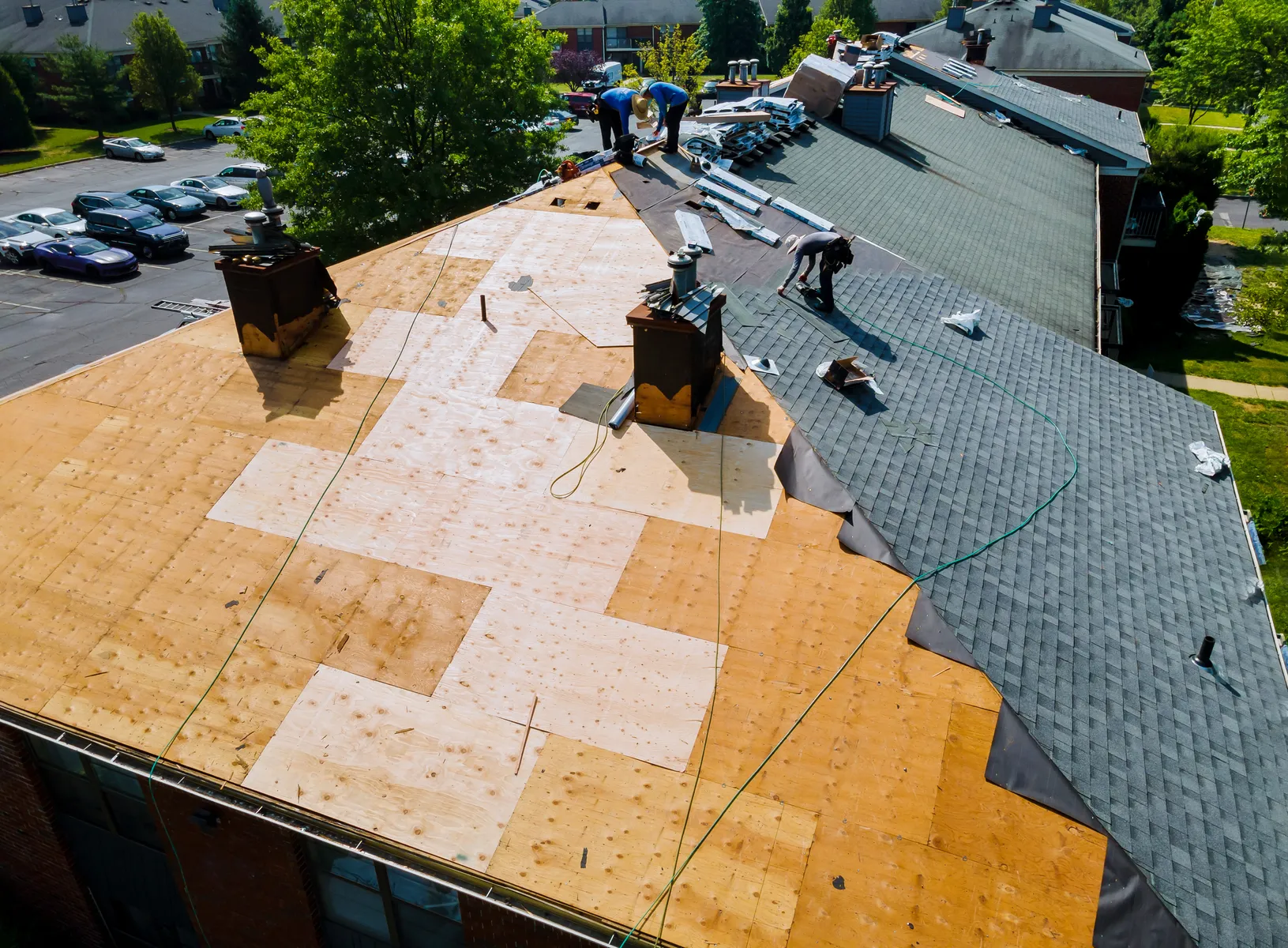
Then the re-bed. We mixed NHL lime mortar on the ground and laid fresh beds along the ridge and hips, setting each tile into the wet bed and pointing the joints as we went. Eight metres, two replacement hip tiles matched to the originals, and a final check of every ridge tile on the run, not just the ones that had moved. Off the roof by early afternoon. Half a day, start to swept-up driveway.
If a field tile had cracked during the strip-out, a replacement concrete tile adds €15-€25 to materials. None did on this one. The invoice matched the quote line for line, and the job carries the 20-year written workmanship guarantee as a PDF certificate, transferable if she sells.
What the homeowner said when we came down off the ladder: "I thought the whole roof was coming off." It was eight metres of mortar and two hip tiles. Caught early, ridge failure is one of the cheapest structural fixes on a Cork roof. Left one more winter, it is ridge tiles through next door's conservatory.
Why NHL lime mortar instead of cement?
NHL stands for natural hydraulic lime. It sets firm but stays slightly flexible, and it lets the ridge breathe. A roof moves more than people think: heat, cold, wind load, the house itself settling. A hard cement bed on a roof that moves will crack along the ridge line within years. A lime bed moves with the roof and holds.
That matters on the older stock around Carrigtwohill and the east Cork villages, where the original bedding has done 15 to 25 years of winters. We re-bed those in NHL because the roof was built to move. On newer concrete-tile estates where the original bedding was cement and the tiles are dense and heavy, we match cement to cement. The rule is simple: match the mortar to the house, not the other way round.
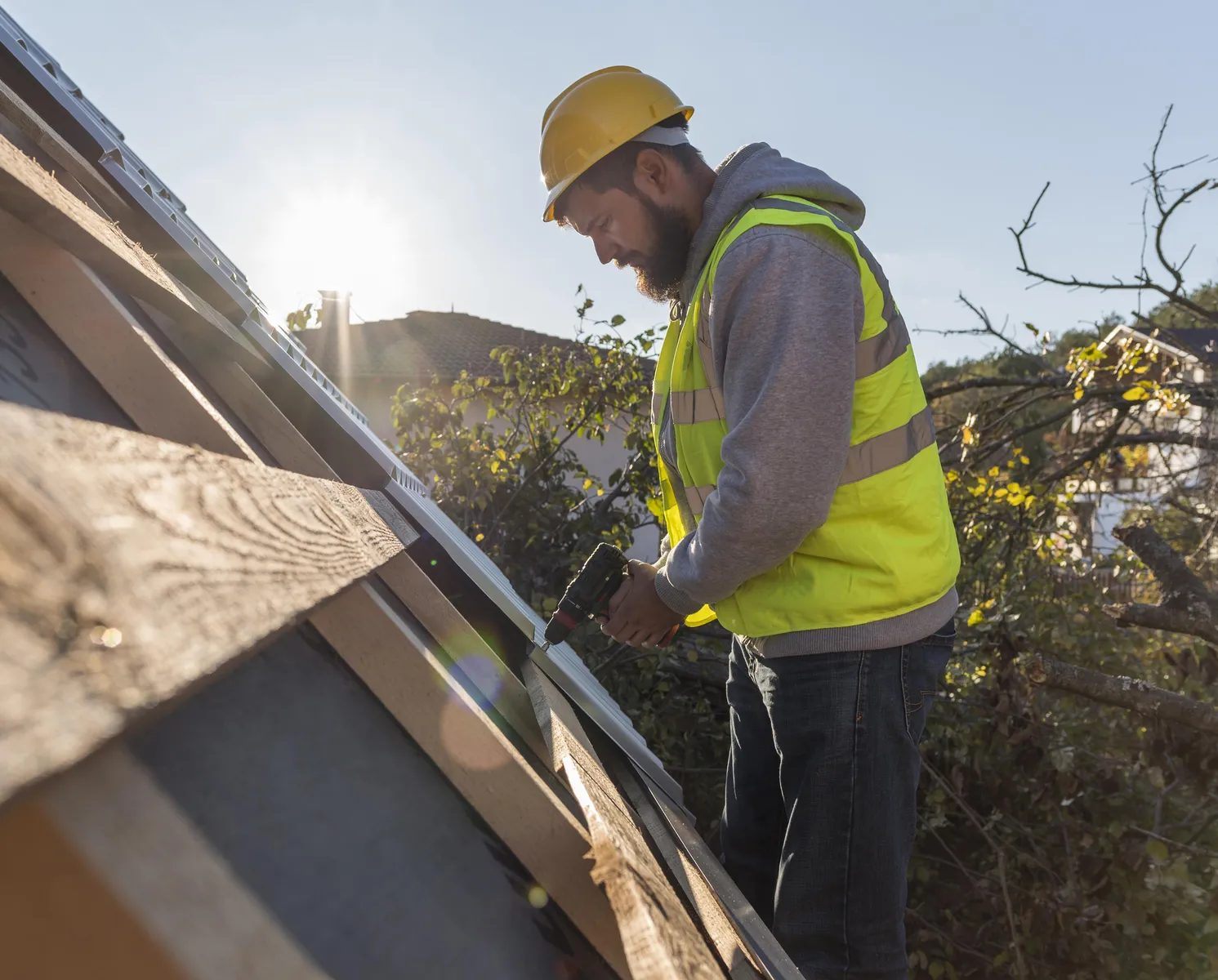
One more reason lime earns its keep out here: the east Cork plain is wet. Lime lets moisture escape from the bedding instead of trapping it, so you do not get the freeze-thaw spalling that blows the face off a cement bed after a hard frost.
Loose ridge tiles in Carrigtwohill or east Cork? Send a photo, get a fixed price in 24h.
Free written quote inside 24-48 hours, no call-out fee. Michael personally reviews every quote before it goes out. 20-year written workmanship guarantee on every job over €100.
When does a ridge repair need scaffolding?
Less often than you'd think. A standard two-storey semi-D with clear gable access is ladder work for a re-bed, and that was this job. Scaffolding at +€280-€650 only enters the quote when a ladder cannot reach the work safely: dormers breaking the elevation, three-storey gables, or a side passage too narrow to foot a ladder.
We decide from your photos before anyone prices anything. If the quote says scaffold, it will say why. If it does not, no scaffold charge appears later. That is the same fixed-price approach we take on every job through the roof repair Cork service: scope in writing first, then the ladder goes up.
Which areas do we cover for ridge work?
Carrigtwohill, Midleton, Glounthaune, Little Island and the east Cork corridor are ridge-re-bed country, and we are out there most weeks from September onward. Cork City suburbs get the same pricing and the same 48-hour appointment window. County towns within five working days. Same crew, same guarantee, same written quote before anyone climbs.
Frequently asked questions
Ridge re-bed FAQs
How much does a ridge tile re-bed cost in Cork?
A single ridge section re-bed on a ladder-accessible Cork roof is €220-€420 including VAT (job log, 2026 Cork rates). That covers lifting the loose ridge tiles, raking out the failed mortar, and re-bedding on fresh NHL lime mortar. A full ridge and hip run on an estate semi-D is typically a half-day job at the top of the same band, with scaffolding quoted separately only if ladder access fails.
What makes ridge mortar fail on Carrigtwohill estates?
Wind exposure. Carrigtwohill sits on the open east Cork plain and the fast-grown estates there take the full force of every westerly. Ridge tiles bedded on a hard cement mix rock under that load, the mortar cracks, and the first named storm of the season lifts whatever has come loose. Age does the rest: most of that stock is now 15 to 25 years old, which is about the service life of the original bedding.
Why do you use NHL lime mortar instead of cement?
Natural hydraulic lime stays slightly flexible and lets the ridge breathe, so seasonal movement does not crack the bedding the way a hard cement mix does. On older stock we re-bed in NHL because the roof was built to move. On newer concrete-tile estates where the original bedding was cement, we match cement to cement. The rule is simple: match the mortar to the house, not the other way round.
Is a loose ridge tile the same problem as a slipped roof tile?
No, and they price differently. A slipped field tile is a fixings failure: the nails or clips let go and the tile slides down the pitch. A loose ridge tile is a mortar failure: the bedding under the ridge has cracked and let go. The first is usually a €150-€220 ladder job. The second is a re-bed at €220-€420 per section. Same roof, different component, different fix.
Will I need scaffolding for a ridge repair?
Not usually. A standard two-storey semi-D with clear gable access is ladder work for a 2-3 hour re-bed. Scaffolding at +€280-€650 only comes in when the ladder cannot reach safely: dormers, three-storey elevations, or restricted side access. We tell you which one your house is from the photos before anyone quotes.