
The 20-Minute Pre-Storm Roof Check for Cork Homes (September Checklist)
Met Éireann starts naming storms from September, and every October my phone fills with leaks that were visible in September for free. This is the 20-minute ground and attic check I tell my own family to do on every Cork home, twice a year, before the first named storm arrives.
Key Takeaways
- Run the check twice a year: early September and late spring, plus once after any named storm.
- The whole check takes 20 minutes: ten from the ground, five in the attic, five on gutters and photos.
- Never use a ladder for this. Binoculars or a phone zoom from the ground is enough.
- Photograph everything, even a sound roof. Dated photos are your evidence if a storm claim ever happens.
- Can't see the rear or chimney? A drone roof inspection is €100 fixed.
Why September, and why only 20 minutes?
Cork roofs do most of their failing between October and March. Met Éireann's storm season opens in September, and by the time the first named storm is forecast the diary of every decent roofer in the county is already filling. The homeowner who checks in the first week of September gets a quiet, unhurried quote. The homeowner who rings after the storm gets a queue and a tarp.
Twenty minutes is enough because you are not diagnosing. You are spotting. You are looking for five things from the ground, three things in the attic and two things at the gutters, and anything you find goes to someone qualified. If you find nothing, you stop. That is the whole job.
Do it in daylight, after rain if possible for the gutter part, and bring your phone. Every photo you take in September is worth having in January.
What do I check from the ground? (10 minutes)
Walk the full perimeter of the house and look at every roof elevation you can see. Binoculars help. A phone zoom held steady against a downpipe works too. You are checking five things:
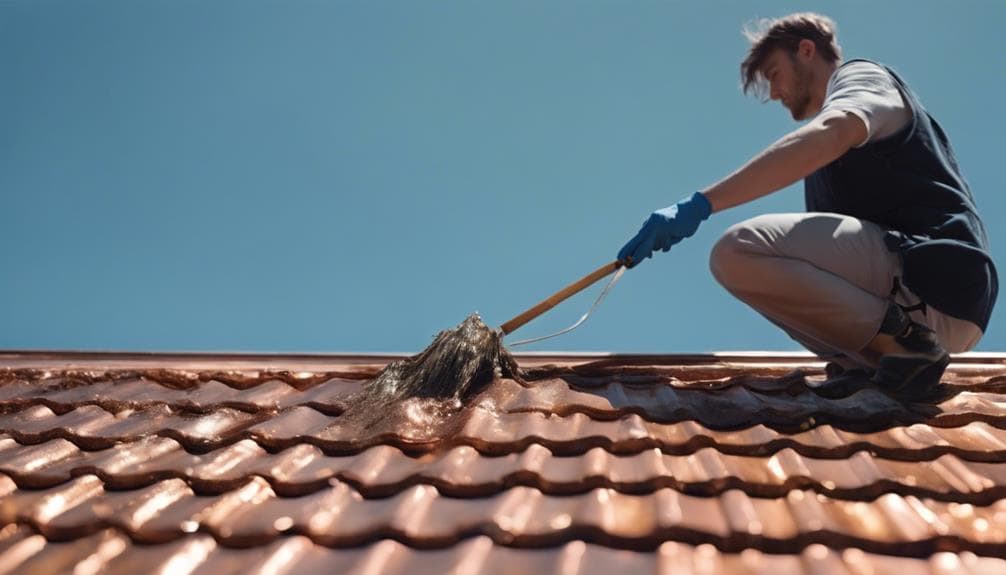
- Slipped or missing tiles and slates. Look for a shadow line, a colour break, or a tile sitting proud of its row. One slipped tile is the cheapest repair in roofing. Five on the same elevation is a different conversation, and the Douglas €150 job log shows exactly where the line sits between the two.
- The ridge line. Follow the very top row from end to end. It should be straight and even. A dip, a gap in the mortar, or a ridge tile sitting at an angle means the bedding is failing, and ridge mortar fails loudly in the first storm, not quietly.
- Chimneys. Look for a lean, missing or cracked flaunching (the mortar cap on top), and any flashing that has lifted away from the brick. A chimney that leans gets a roofer's eye on it this month, not next spring.
- Gutter line. Gutters should sit level with a slight fall towards the downpipe. A sagging middle section or a visible gap at a joint means standing water, and standing water in October means overflow down your wall.
- Moss and lichen. A green band on the north-facing slope is not just cosmetic. Moss holds water against the tile and sheds into the gutters. Heavy moss goes on the spring list for a soft-wash, not a pressure washer.
If the house is a 1960s to 1990s estate semi-D, which is most of inland Cork, the weak points are ridge mortar and tile fixings. If you are on the coast in Cobh, Crosshaven or Kinsale, add fixings and flashings to your worry list: salt air eats them on an 8-12 year cycle, and our coastal Cork salt-erosion schedule sets out what wears and when.
What do I check in the attic? (5 minutes)
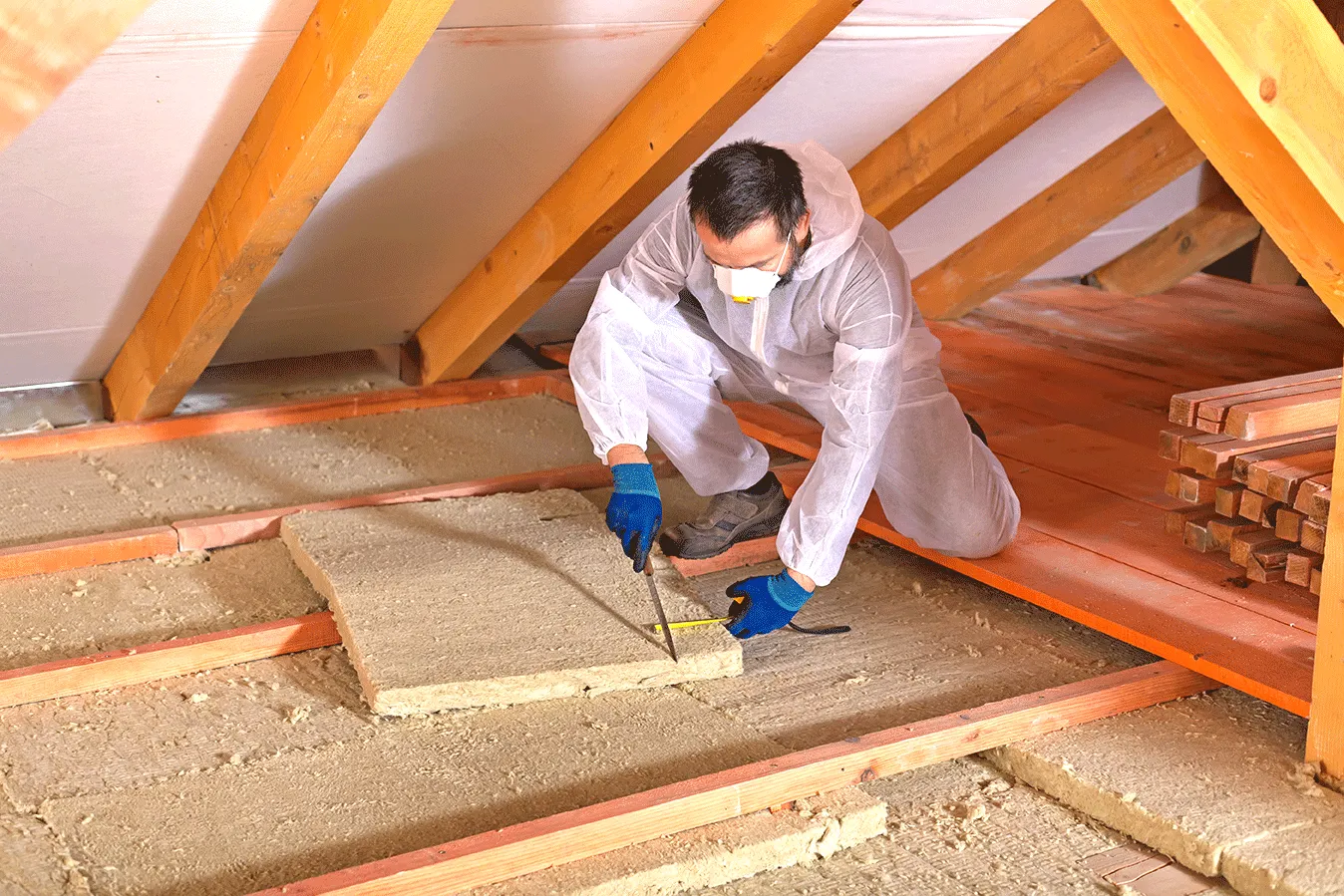
The attic tells you what the roof has already done, not what it might do. You need a torch and five minutes. Check three things:
- Daylight. Turn the torch off and let your eyes adjust. Any pinhole of daylight through the slopes, the ridge or the eaves is a hole in the roof covering. Mark the rafter next to it with tape so a roofer can find it fast.
- Damp. Torch back on. Look for dark staining on the felt, the rafters or the insulation, especially under valleys and around the chimney breast. Fresh damp is dark and cold. Old damp has a tide line. Both get reported, but fresh damp after rain gets reported this week.
- Felt condition. Older Cork roofs carry bitumen felt that goes brittle with age. If the felt looks cracked, curled at the laps, or torn at the eaves where you can see it, note it. Brittle felt is the difference between a slipped tile being a small job and a strip-back job.
One warning on this part: stay on the joists or the walk boards. The white plasterboard between joists is a ceiling, not a floor, and it will not take your weight. If the attic hatch is awkward or the space is floored over, skip the walk and do what you can from the hatch with a torch.
What about gutters and downpipes? (5 minutes)
Gutters are the most skipped item on every Cork roof and the cause of half the "roof leaks" I get called to in October. Leaves from the summer fall, sit in the gutter, and the first heavy autumn downpour sends the overflow down the wall or back into the eaves. From the outside it stains the fascia. From the inside it looks exactly like a roof leak.

From the ground, you are checking for grass or moss growing out of the gutter (it has been blocked since last year), staining or tiger-stripes down the fascia below the gutter line, and any drip from a joint during rain. Watch the downpipes during a shower: each one should run steadily from the bottom. A downpipe that dribbles or a gutter that sheets over the front tells you exactly where the blockage sits.
Clearing gutters is working at height and it is the one job on this list I would rather you booked than DIY'd. If the gutters are due, our roof maintenance service for Cork homes bundles the clear-out with a full visual check of the roof above it, so you get the September list done in one visit.
What should I photograph for a roofer?
Good photos turn a phone call into a written quote inside 24 to 48 hours. Take the same set every September:
- One wide shot of each elevation from the ground, front and rear.
- A zoomed shot of anything that looked wrong on the walk-around, with one wide shot for context.
- The ridge line end to end, even if it looks fine.
- Chimney from two sides if you can manage it.
- Any damp or daylight in the attic, with the tape marker in frame.
- Each gutter run and the bottom of each downpipe during or just after rain.
Date-stamp them by keeping them in one folder per year. If a storm ever damages the roof, this folder is your proof of pre-storm condition for the insurer, and it ends the wear-and-tear argument before it starts. Even on a sound roof, the photos are the point.
From a Ballincollig homeowner last September: "I sent six photos on the Tuesday, had the written quote on the Wednesday, and the ridge was re-bedded before the first storm was even named. My neighbour waited until his ceiling was wet." That is the entire value of the 20 minutes.
Found something on the checklist? Send the photos, get a fixed written quote.
Free roof inspection, no call-out fee. Written quote within 24-48 hours, same-day response for active leaks. 20-year written workmanship guarantee on every job over €100.
What should I NOT do during a roof check?
The checklist has hard limits and they matter more than the checks themselves:
- No ladders. Not to the gutter line, not "just for a look", not leaned against the fascia. Falls from height are how homeowners get hurt doing maintenance, and nothing on this list requires one.
- No walking on the roof. Concrete tiles crack under point load, fibre-cement slate cracks under anything, and you will do more damage than you find.
- No pressure washer. Not on moss, not on the gutters from a ladder, not ever. It strips the surface off concrete tiles and forces water under the laps.
- No temporary DIY fixes. Mastic on a flashing or a tile shoved back without a re-nail fails in the first gale and makes the proper repair harder to price honestly.
Your job is to spot and photograph. Our job is everything above the gutter line.
What if I can't see the whole roof from the ground?
Plenty of Cork homes have a rear elevation, a dormer or a chimney you simply cannot see from the garden or an upstairs window. Terraced houses on hills, anything with a rear extension, most of Cobh: half the roof is invisible from the ground and that is normal.
That is the one situation where I recommend spending money on a check. Our drone roof inspection in Cork is €100 fixed and covers every elevation, the ridge, the valleys, the flashings and the chimney in close-up photos, usually inside half an hour on site. It beats guessing, and it beats finding out in November. Everything else on this page is free and takes 20 minutes twice a year.
Frequently asked questions
Pre-storm roof check FAQs
How often should I check my roof in Cork?
Twice a year: once in early September before the Met Éireann storm-naming season starts, and once in late spring after the last of the winter gales. Each check takes about 20 minutes from the ground and the attic. After any named storm, add one extra walk-around while the damage is fresh and easy to photograph.
Can I check my own roof, or do I need a roofer?
Everything in this checklist is done from the ground, from a window, or from the attic hatch. You do not need a ladder and you should not use one. A pair of binoculars or a phone zoom covers most of what you need. If you find something you cannot judge, that is the point where a roofer or a fixed-price drone survey takes over.
What is the most common thing Cork homeowners miss?
Blocked gutters and downpipes. It looks like nothing from the driveway, but a full gutter overflows in the first heavy autumn downpour and the water goes down the wall or into the eaves. We get calls every October for a "roof leak" that turns out to be leaves. The second most missed item is a slightly slipped tile that only shows as a shadow line on the roof.
What if I cannot see the back of the roof from the ground?
Check what you can from an upstairs rear window, then leave it. Never lean a ladder to get a look. If the rear or the chimney is genuinely hidden, a drone roof inspection is €100 fixed and gives you close-up photos of every elevation, the ridge, the valleys and the flashings in about half an hour.
I found a slipped tile. What should I do next?
Photograph the gap from the ground, check the attic directly underneath for damp or daylight, and note when you first saw it. Then send the photos to a roofer for a written quote rather than waiting for the next storm. A dry attic usually means the felt underneath is intact and the fix is a small job. Damp or daylight means it has been open longer and needs a look sooner.
Should I photograph my roof even if nothing is wrong?
Yes. A dated set of photos of a sound roof in September is worth real money if you ever need a storm claim. It proves the pre-storm condition of the roof to a loss adjuster and stops any argument that the damage was wear and tear. Take the same six to eight shots every September and keep them in one folder.