Natural Slate Re-Fix on a Kinsale Period Terrace: A4 Marine-Grade Job Log
Nail sickness had been dropping slates off the front elevation of a period Kinsale terrace for two winters. The slates were sound; the century-old nails were not. This is the job log of the whole-elevation re-fix: strip, number, salvage, and re-lay on A4 marine-grade stainless and copper clouts.
Key Takeaways
- Nail sickness means the fixings fail first, not the slates. Sound period slate is worth saving.
- A single slipped slate is €150-€220; multiple slates on one elevation are €380-€650 (job log, 2026 Cork rates).
- Coastal Kinsale roofs get A4 stainless or copper clouts as standard; plain steel dies early in marine air.
- Roughly seven slates in ten on this job went straight back up after numbering and inspection.
- A whole-elevation re-fix keeps the period roof; a like-for-like reroof with new imported slate is a different budget entirely.
What is nail sickness, and why does Kinsale get it early?
Nail sickness is the slow corrosion of the nails that pin each slate to the battens. The slates themselves, good natural slate, can outlast two sets of nails. What the homeowner sees is a slate on the path after a gale, then another a month later, then a patch of daylight in the attic. Each one looks like a small repair. The pattern is the diagnosis: the nails across the whole elevation are the same age and the same material, and they are all failing together.
Kinsale gets it early because the harbour and Compass Hill take marine air all year. Salt works into every fixing on the roof. The same failure pattern shows up across the coastal towns, and our coastal Cork salt erosion post covers the Crosshaven semi-D version of it, where nail failure on newer stock runs on an 8-12 year cycle. This Kinsale job is different stock: period natural slate on a terrace, not fibre-cement on an estate, and the subject here is slate, not lead. The principle is the same though. Within a few miles of the coast, fixing spec is not a detail, it is the job.
What did we find on the Kinsale terrace?
The call came in as "another two slates down". The house is a period terrace above the harbour, natural slate throughout, diminishing courses, the kind of roof that gives the street its look. The homeowner had already paid for two ladder repairs in two winters. Each was honest work, but each was treating one symptom of an elevation-wide failure.
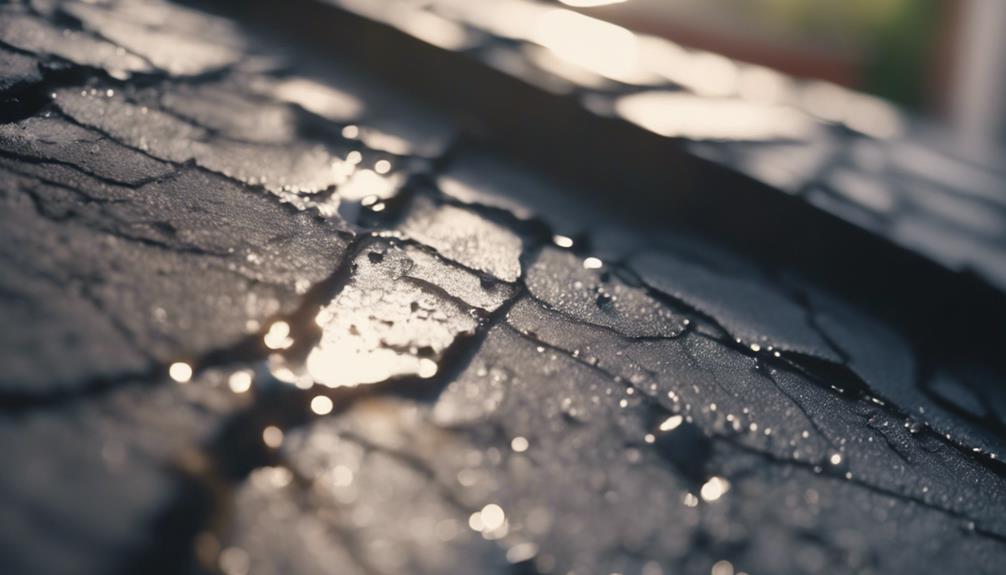
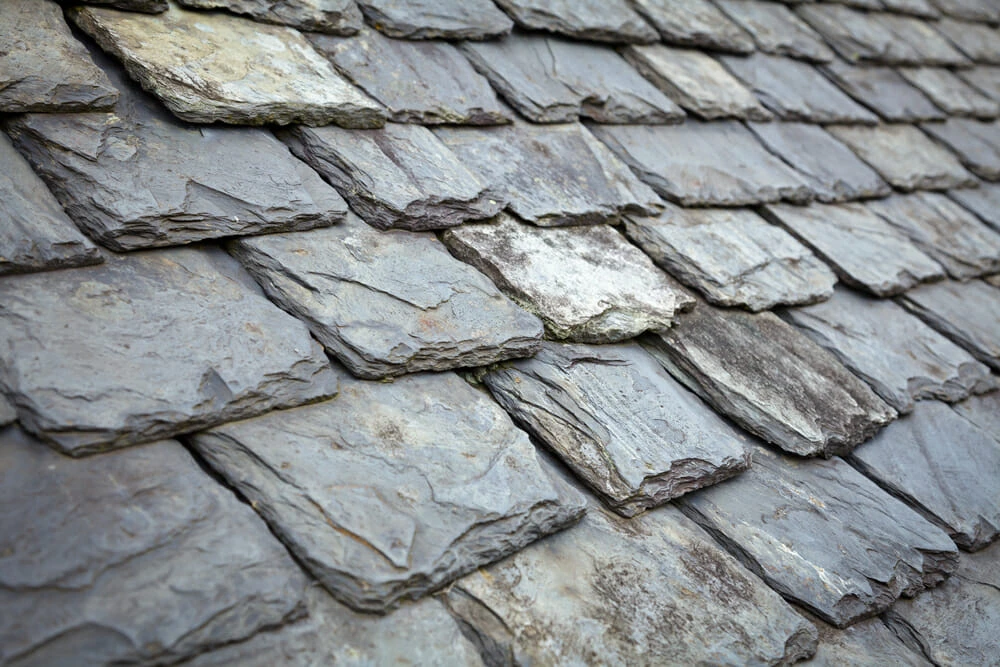
Up close, the picture was classic. Slate heads lifting across the lower courses. Corroded nail stubs visible where slates had already gone. A scatter of tar patches from older repairs, none of them holding. The underlay, what was left of an old bituminous felt, was perished at the laps. The slates themselves were the good news: thick, dense, mostly sound. This was a roof worth re-fixing, not replacing.
The decision rule is simple. If the slate is sound, you do not strip a period roof off and bin it. You take it down carefully, keep everything that passes inspection, and put it back on fixings that will outlast the next fifty years.
How does a conservation-aware re-fix actually run?
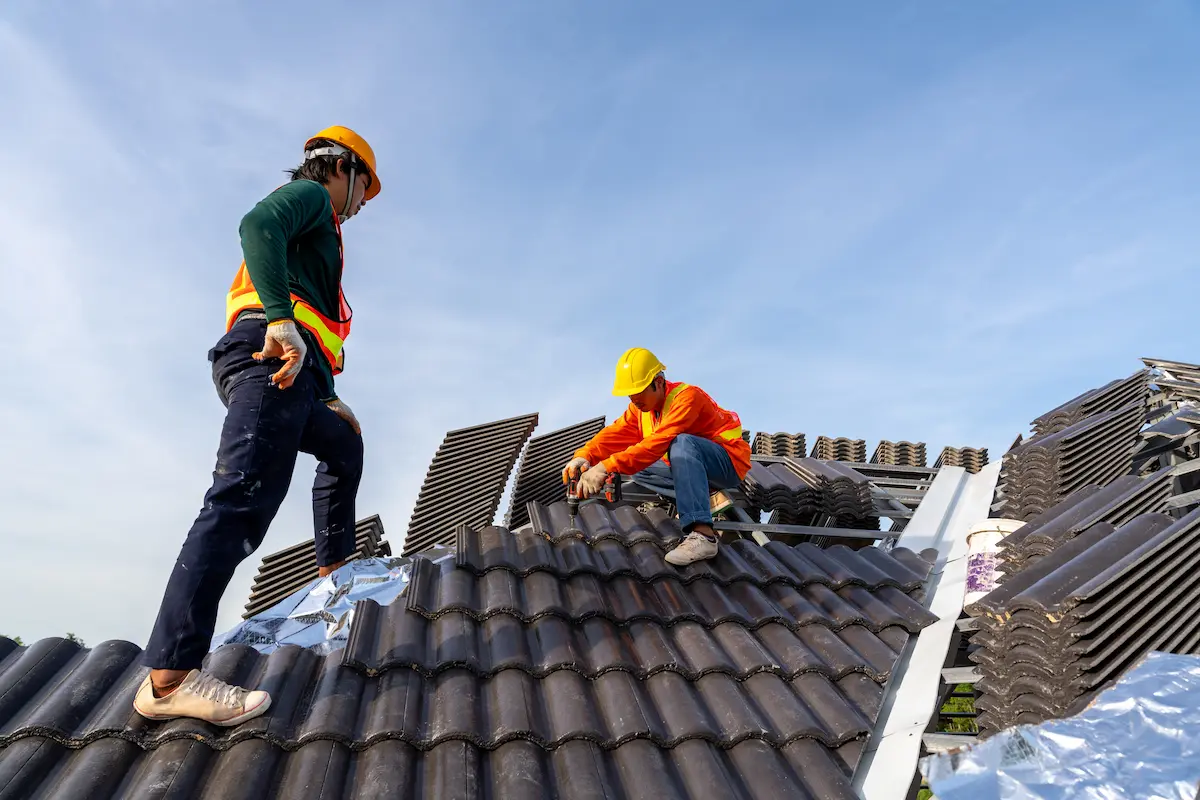
Scaffold first. A whole-elevation strip on a terraced period house is not ladder work, full stop. Edge protection goes up, and on a harbour-side Kinsale street that means a tighter footprint and smaller load-ins than an estate job. Once the scaffold is up, the method is slow on purpose:
- Strip in course order. Slates come off from the ridge down, and every course is numbered as it lands. The diminishing courses on a period roof are sized to their position, so a slate from course four does not fit course twelve.
- Grade every slate. Sound slate goes to the keep stack. Cracked, delaminated or soft slate goes to the skip. On this job roughly seven in ten passed.
- Battens and underlay. Rotted battens are replaced, breathable underlay goes on, and new battens are set to the original gauge so the courses run true.
- Re-lay on marine-grade fixings. The same slates go back in the same courses, each one fixed with A4 stainless or 65mm copper clout nails. Holes are re-drilled where the old nail hole has opened up.
- Make good the details. Ridge, verges and abutments checked while the scaffold is there. Coastal flashing spec in Kinsale is code 5 or code 6, never reused code 4.
Two to three working days on the roof once the scaffold was up, weather depending. Slate work stops in the wet because you cannot leave a stripped elevation open overnight.
What does slate repair cost in 2026 Cork?
The small end of slate work prices like any other repair: time on the roof, materials, and access. Prices below are from our Cork job logs, VAT included at the 13.5% rate that applies to qualifying roofing work.
| Slate repair type | Cork price (2026, inc. VAT) | Time on roof |
|---|---|---|
| Single slipped slate, ladder access | €150-€220 | 30-60 min |
| Multiple slipped slates, one elevation | €380-€650 | Half day |
| Strip-back with torn underlay | €420-€720 | Half day to 2 days |
| Scaffolding (whole elevation, terrace access) | +€280-€650 | Added on top |
| 65mm copper clout nails (materials line) | Pence each | Part of the fix |
There is no honest fixed band for a whole-elevation re-fix on a period terrace. Salvage rate, batten condition, underlay area, access and elevation size all move the number, and any roofer who prices one from the pavement is guessing. What we commit to is a written scope with the salvage expectation stated, so the price is fixed before a single slate comes off.
Materials stay cheap relative to labour even on slate work. The copper clouts for an entire elevation cost less than the scaffold delivery. The money is in the days on the roof and the care in the strip. That is why a re-fix only makes sense on sound slate: you are paying for skilled time, and it is wasted on a roof covering that has already failed.
What the homeowner said when the scaffold came down: "It looks like the same roof. That's exactly what I wanted." The slipped rows, the tar patches and the mismatched repair slates were gone. From the street, just a straight period roof again.
Slates slipping on a Kinsale roof? Send a photo, get a written scope.
Free roof inspection, no call-out fee. Written fixed-price quote inside 24-48 hours, with the salvage expectation and fixing spec stated. 20-year written workmanship guarantee on the re-fix.
Why not just keep paying for ladder repairs?
Because nail sickness does not repair one slate at a time. The homeowner on this job had already paid for two single-slate visits. Each was €150-€220 of honest work, and neither touched the underlying failure. When slates keep coming off the same elevation, the next ten repairs are already scheduled; you just do not know the dates yet.
The tipping point we use: when a second slate comes off the same elevation inside a year, stop repairing and start planning the re-fix. You will spend the re-fix money either way, in €150 instalments with tar patches, or once, properly, with the salvage kept and the courses true.
What does the re-fix come with in writing?
Every job over €100 carries our 20-year written workmanship guarantee, issued as a PDF certificate and transferable with the property if you sell. On a period terrace that matters at sale time: a buyer's surveyor reading "re-fixed on marine-grade fixings, guarantee to 2046" asks fewer questions than one reading "patch repairs, various dates".
We carry €6,500,000 public liability through AXA (Tradesman Policy 12/28/150946921), the crew is Safe Pass certified and fall-arrest trained, and period terrace work is scaffolded, not laddered. If your terrace is showing the same pattern, slipped slates repeating on one elevation, start with the Kinsale roofing and period property page or send photos through the contact form. We cover Kinsale, the harbour streets and Compass Hill within five working days for non-urgent surveys.
Frequently asked questions
Kinsale slate re-fix FAQs
What is nail sickness on a slate roof?
Nail sickness is when the iron or plain steel nails holding the slates corrode through, so slates start slipping in ones and twos, then in patches. The slates themselves are usually sound. The fixings have failed, not the roof covering. On period Cork terraces the original nails are often over a century old, and coastal air shortens their life further.
Do I need a whole new roof if slates keep slipping?
Usually not. If the slates themselves are sound, a whole-elevation re-fix is the correct repair: strip the slates, number and stack them, renew battens and underlay where needed, and re-lay the same slates on new A4 stainless or copper fixings. You keep the period roof and lose only the slates that are already cracked or delaminated.
Why A4 stainless or copper nails on a Kinsale roof?
Kinsale harbour and Compass Hill take marine air all year, and salt corrodes plain steel and standard galvanised fixings years earlier than inland. A4 marine-grade stainless and copper clouts resist that corrosion, which is why we use them as standard within a few miles of the coast. The 65mm copper clouts we use cost pence each; the labour is the job.
How much does slate roof repair cost in Cork?
Job log, 2026 Cork rates: a single slipped slate on ladder access is €150-€220 including VAT. Multiple slipped slates on one elevation are €380-€650 for a half day. Scaffolding, when ladder access fails or a whole elevation is being stripped, adds €280-€650. A whole-elevation re-fix on a period terrace is scoped and quoted in writing per job; there is no honest fixed band for it.
How long does a whole-elevation slate re-fix take?
On a Kinsale period terrace, typically two to three working days on the roof once the scaffold is up, weather depending. Strip and numbering is most of day one. Batten and underlay work follows, then the re-lay. Wet days stop slate work entirely because you cannot leave a stripped elevation open.
Will a re-fix keep the period look of the terrace?
Yes. That is the point of the method. Slates come down in course order, get numbered, and go back in the same diminishing courses they came off. Sound original slate is reused, and only broken or delaminated pieces are replaced with matching natural slate. From the street the roof reads exactly as it did, minus the slipped rows and the tar patches.