
Roof moss and algae may seem like harmless additions to your home’s exterior, but their presence can signify deeper issues. As these unwelcome guests take root, they can compromise the integrity of your roof, leading to costly repairs down the line.
Recognizing the signs of moss and algae growth is important, but knowing when to take action is equally important. Understanding the best timing for removal can make all the difference in preserving the longevity of your roof.
Let’s explore the key considerations that should prompt you to address this matter sooner rather than later.
Key Takeaways
- Timely removal prevents structural damage and preserves aesthetics.
- Regular inspections help recognize growth signs for prompt action.
- Prevent future growth by maintaining clean gutters and trimming overhanging branches.
- Implement protective measures like zinc strips to inhibit moss and algae development.
Understanding Moss and Algae
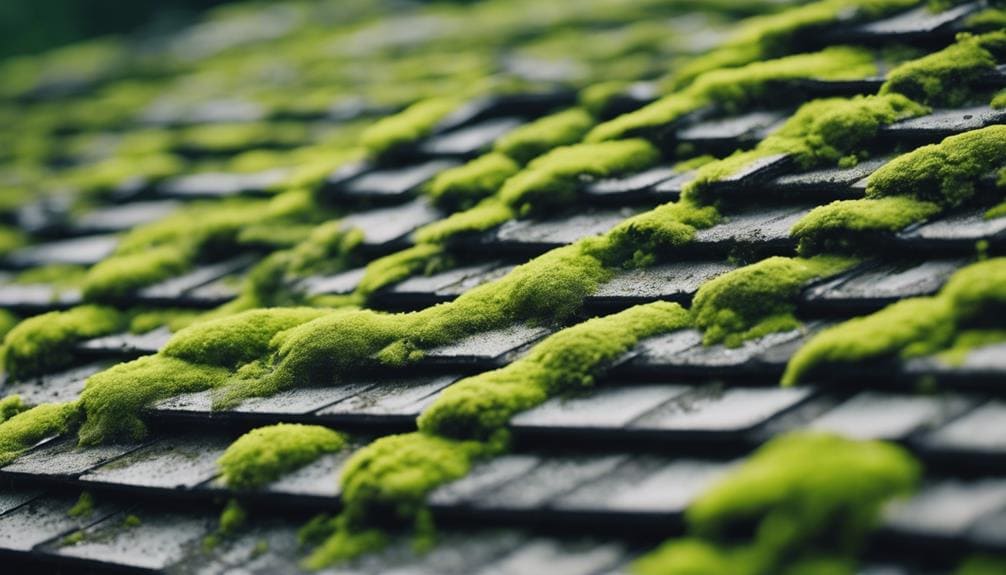
Moss and algae are common types of vegetation that thrive in moist and shaded environments, often causing aesthetic and structural issues on roofs. Moss, a non-vascular plant, lacks true roots, stems, or leaves, and propagates through spores or fragments carried by wind or animals. Its sponge-like structure allows it to retain water, promoting moisture retention on roof surfaces. Algae, on the other hand, are simple photosynthetic organisms that can form green or black stains on roofs. These organisms not only detract from the visual appeal of a roof but can also compromise its integrity over time.
When moss and algae take hold on a roof, they can create a damp environment where moisture accumulates. This prolonged moisture exposure can lead to the deterioration of roofing materials, including shingles, tiles, or metal surfaces. Additionally, the presence of moss and algae can impede proper water drainage, potentially causing leaks and water damage inside the building. Understanding the nature of moss and algae growth is imperative for effective removal and long-term roof maintenance.
Risks of Unchecked Growth
Unchecked growth of moss and algae on roofs poses significant risks to both the structural integrity and aesthetic appeal of buildings. Moss and algae can retain moisture, leading to water damage and rot in roofing materials. This excess moisture can seep into the underlying structure, causing wood to decay and potentially compromising the roof’s strength. Additionally, the presence of moss and algae can create a slippery surface, increasing the risk of accidents for anyone accessing the roof for maintenance purposes.
Furthermore, the visual impact of moss and algae growth can detract from the overall appearance of a building. Streaks of green or black algae and patches of moss can make a roof look unkempt and aged. This can be particularly problematic for businesses or homeowners looking to maintain a professional and well-maintained image.
Addressing these issues promptly is essential to avoid more extensive damage and costly repairs in the future. Regular roof maintenance and timely removal of moss and algae growth are essential to preserving the longevity and aesthetics of a building.
Importance of Timely Removal
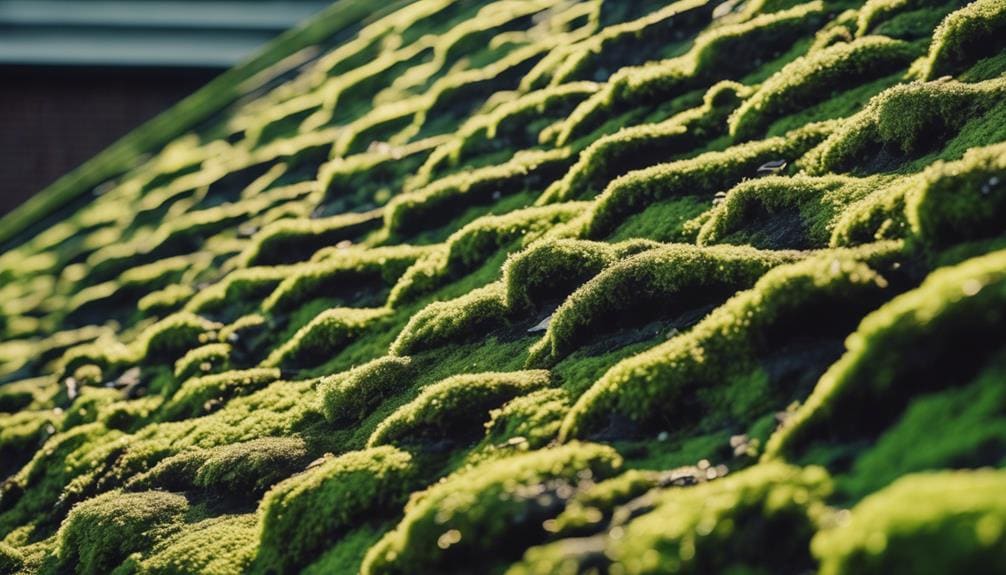
Efficient and prompt removal of roof moss and algae growth is important in maintaining the structural integrity and visual appeal of buildings. Timely removal helps prevent potential damages and costly repairs down the line.
Here are four key reasons why timely removal is critical:
- Prevents Structural Damage: Moss and algae can trap moisture against the roof’s surface, leading to wood rot, corrosion of metal fixtures, and deterioration of roofing materials.
- Preserves Aesthetics: These growths can create unsightly stains and streaks on the roof, diminishing the overall curb appeal of the property.
- Improves Longevity: Regular removal prevents the premature aging of the roof, prolonging its lifespan and delaying the need for a full roof replacement.
- Enhances Energy Efficiency: A clean roof reflects more sunlight, reducing heat absorption and subsequently lowering cooling costs during hot weather.
Recognizing Signs of Growth
When inspecting a roof for potential moss and algae growth, it is essential to be vigilant for specific signs that indicate the presence of these organisms. Moss typically appears as green or brown fuzzy patches on the roof surface, especially in areas shaded from sunlight or where moisture tends to accumulate. Algae, on the other hand, often presents as dark streaks or stains that may be mistaken for dirt initially. These organisms thrive in damp environments and can spread quickly if left unchecked.
In addition to visual cues, you may also notice a musty odor emanating from the roof, signaling the presence of mold and mildew associated with moss and algae growth. Additionally, the presence of debris such as leaves, twigs, or branches on the roof can create a conducive environment for moss and algae to grow.
Regular inspections and prompt action upon noticing these signs are critical in preventing further damage to the roof and maintaining its longevity.
Preventing Future Development
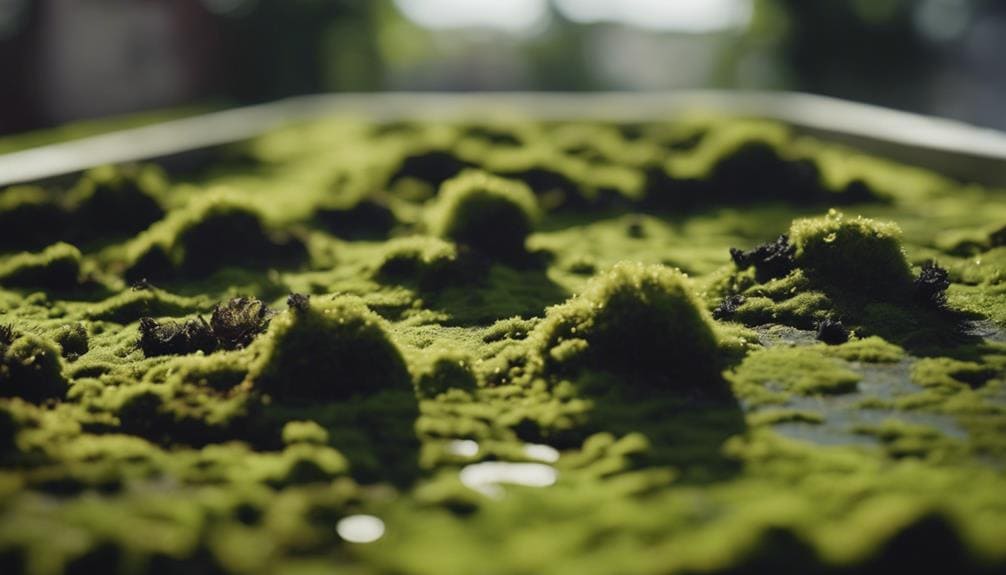
To inhibit the future development of moss and algae on your roof, implementing regular cleaning and maintenance schedules is paramount. Preventive measures can greatly reduce the likelihood of moss and algae growth, maintaining the integrity and aesthetics of your roof. Here are some effective strategies to prevent the recurrence of moss and algae:
- Trim Overhanging Branches: Make sure trees near your roof are trimmed regularly to prevent excess shade and debris accumulation, which can foster moss and algae growth.
- Keep Gutters Clean: Clogged gutters can lead to water pooling on the roof, creating a damp environment ideal for moss and algae. Regularly clean gutters to avoid this issue.
- Install Zinc Strips: Zinc strips can be placed near the roof’s peak to release zinc particles with each rainfall, inhibiting moss and algae growth.
- Apply a Protective Coating: Consider applying a roof sealant or protective coating designed to deter moss and algae growth, providing an additional layer of defense against these nuisances.
Frequently Asked Questions
Are There Any DIY Methods for Removing Moss and Algae From a Roof, or Is It Best to Hire a Professional?
While DIY methods for roof moss and algae removal exist, hiring a professional is often recommended. Professionals possess the expertise, equipment, and safety measures required for thorough and effective removal, ensuring the longevity and integrity of your roof.
How Often Should Roof Moss and Algae Removal Be Performed to Prevent Damage to the Roof?
Regular roof moss and algae removal should be performed biannually or as needed to prevent damage. Timely maintenance helps preserve the roof’s integrity, preventing costly repairs. Consider factors like climate, tree cover, and previous growth for tailored maintenance schedules.
Can Moss and Algae Growth on a Roof Affect the Energy Efficiency of a Home?
Moss and algae growth on a roof can impact a home’s energy efficiency by trapping moisture, increasing heat retention, and inhibiting proper ventilation. This can lead to higher cooling costs and potential damage to the roof structure.
Are There Any Environmentally-Friendly Methods for Removing Moss and Algae From a Roof?
Environmentally-friendly methods for removing moss and algae from a roof include manual removal, using eco-friendly cleaning solutions, and installing zinc or copper strips. These methods are effective, minimize environmental impact, and help maintain the longevity of the roof.
Is It Possible for Moss and Algae Growth on a Roof to Spread to Other Areas of a Home?
The growth of moss and algae on a roof can lead to moisture retention, potentially causing damage to underlying structures. If left untreated, these organisms may spread to other parts of a home, necessitating prompt removal and prevention measures.
