
As homeowners, it is essential to be vigilant about the maintenance of our properties, and this includes paying attention to often overlooked areas such the chimney. A neglected chimney can pose serious risks, but how can one discern when it requires cleaning?
The subtle signs that indicate a chimney in need of attention may not always be apparent to the untrained eye, leading to potentially dangerous consequences. Understanding these signs could be the key to ensuring the safety and functionality of your home.
Key Takeaways
- Thick soot or creosote buildup signals a need for cleaning.
- Unpleasant odors and excessive smoke indicate immediate attention.
- Regular inspections prevent fire hazards and structural damage.
- Timely cleanings ensure safe operation and improved air quality.
Clear Indicators of a Dirty Chimney
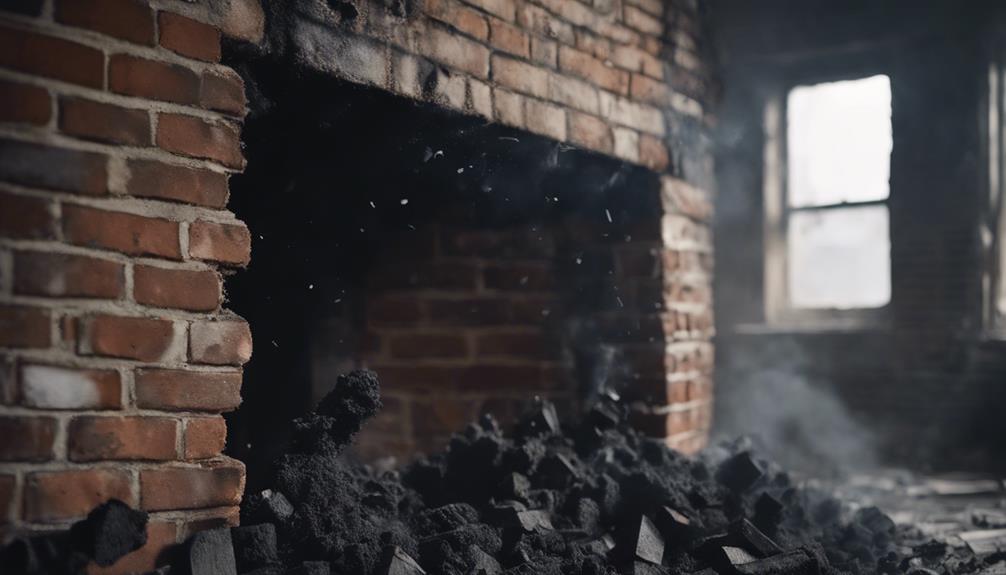
One of the most evident signs of a dirty chimney is the presence of a thick layer of soot and creosote buildup along the interior walls. Soot, a black powdery substance, is a byproduct of burning wood or coal in the fireplace. When not cleaned regularly, this soot can accumulate and mix with moisture in the air to form creosote, a highly flammable and sticky substance that can cling to the chimney walls.
Another indicator of a dirty chimney is a strong, unpleasant odor coming from the fireplace. This odor is often a result of the buildup of various substances like dirt, dust, and even dead animals or their droppings.
Additionally, if you notice an excessive amount of smoke inside your home when using the fireplace, it could be a sign of a blockage or buildup in the chimney that needs immediate attention. Regular chimney inspections and cleanings are essential to safeguard the safe and efficient operation of your fireplace.
Risks of Delayed Chimney Cleaning
Delaying chimney cleaning poses significant risks to both the safety and efficiency of your fireplace system. Over time, creosote buildup, debris accumulation, and blockages can lead to various issues that compromise the functionality of your chimney. Here are some of the key risks associated with postponing chimney cleaning:
| Risks | Description | Consequences |
|---|---|---|
| Creosote buildup | Highly flammable substance that can ignite and cause chimney fires. | Increased risk of house fires. |
| Blockages | Obstructions like nests or debris can prevent proper ventilation and lead to smoke backup. | Poor air quality and potential carbon monoxide poisoning. |
| Structural damage | Moisture buildup from a dirty chimney can corrode the structure, leading to cracks. | Risk of chimney collapse or water damage to your home. |
Regular chimney cleaning is essential to prevent these risks and ensure the safe and efficient operation of your fireplace system. Don’t wait until it’s too late; schedule a professional chimney cleaning to avoid these potential hazards.
Fire Hazards From Unclean Chimneys
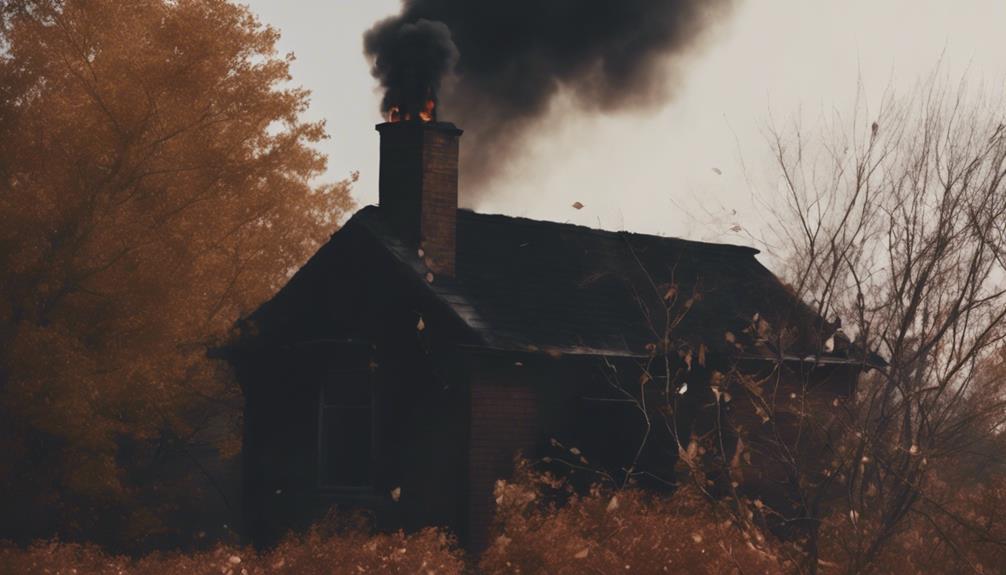
Neglecting the regular cleaning of chimneys can greatly increase the risk of fire hazards within your home. When chimneys are not cleaned regularly, a buildup of soot, debris, and creosote occurs. Creosote is a highly flammable substance that can ignite due to high temperatures in the chimney, leading to a dangerous chimney fire. Additionally, blockages caused by debris can prevent proper ventilation, causing smoke to back up into your home. This not only poses a fire hazard but also increases the risk of carbon monoxide poisoning.
Moreover, if there are any cracks or damage to the chimney structure, stray sparks or embers from a fire can escape into the walls or roof of your house, potentially igniting a larger fire. Regular chimney cleaning not only removes these fire hazards but also allows for the early detection of any structural issues that could pose a danger. By ensuring your chimney is clean and well-maintained, you can significantly reduce the risk of fire incidents in your home.
Importance of Regular Chimney Inspections
Regular chimney inspections are essential for ensuring the safety and proper functionality of your chimney system. By conducting regular inspections, potential issues can be identified and addressed promptly, preventing costly damages and ensuring the efficient operation of your chimney. Here is a breakdown of the importance of regular chimney inspections:
| Benefits of Regular Inspections | Description |
|---|---|
| Early Detection of Issues | Identifying cracks, blockages, or creosote buildup early can prevent major problems down the line. |
| Ensuring Proper Ventilation | Checking for obstructions in the flue or chimney can prevent carbon monoxide buildup inside your home. |
| Compliance with Safety Standards | Regular inspections help ensure that your chimney meets safety regulations and standards set by relevant authorities. |
Regular chimney inspections are not only essential for maintaining the safety of your home but also for prolonging the lifespan of your chimney system. It is recommended to have your chimney inspected at least once a year by a professional chimney sweep to keep it in optimal condition.
Scheduling Chimney Cleanings for Safety
An essential aspect of maintaining a safe and functional chimney system is adhering to a timely schedule for chimney cleanings. Regular chimney cleanings are vital in preventing potential hazards such as chimney fires and carbon monoxide poisoning. Here are four key reasons why scheduling chimney cleanings is imperative for the safety of your home:
- Creosote Build-Up: Over time, creosote, a highly flammable substance, accumulates inside the chimney. Regular cleanings help remove this build-up, reducing the risk of a chimney fire.
- Blockage Removal: Debris like leaves, twigs, or even animal nests can obstruct the chimney, leading to improper ventilation. Scheduled cleanings ensure these blockages are promptly cleared.
- Detection of Damage: Professional chimney cleanings allow for a thorough inspection of the chimney’s structure. This helps in detecting any signs of damage early on, preventing potential safety issues.
- Improved Air Quality: Clean chimneys promote better air circulation, preventing the build-up of harmful gases like carbon monoxide inside your home. Regular cleanings help maintain good indoor air quality and guarantee the safety of your household.
Frequently Asked Questions
How Often Should I Have My Chimney Professionally Inspected and Cleaned?
Chimneys should be professionally inspected and cleaned annually to secure safe and efficient operation. Regular maintenance helps prevent creosote buildup, blockages, and potential hazards. Following a yearly schedule allows for timely detection and resolution of any issues.
Can I Clean My Chimney Myself or Should I Hire a Professional?
Cleaning a chimney yourself can be risky due to safety concerns and the complexity of the task. Hiring a professional guarantees thorough inspection, proper cleaning techniques, and adherence to safety standards, ultimately protecting your home and family.
Are There Any Specific Warning Signs That Indicate My Chimney Needs Immediate Attention?
Identifying warning signs that necessitate prompt chimney maintenance is essential for ensuring safety and efficiency. Observing indicators like smoke backup, foul odors, or excess creosote buildup warrants immediate attention from a professional chimney service provider.
What Are the Common Causes of Chimney Blockages and How Can They Be Prevented?
Chimney blockages commonly result from creosote buildup, debris like leaves or animal nests, or structural issues. Regular chimney inspections, cleaning, and installation of a chimney cap can prevent blockages, ensuring efficient and safe fireplace operation.
How Can I Maintain My Chimney in Between Professional Cleanings to Ensure It Stays Safe and Efficient?
To maintain your chimney between professional cleanings, regularly inspect for creosote buildup, check for obstructions like bird nests or debris, guarantee the damper functions correctly, and use only seasoned wood. Additionally, install a chimney cap to prevent animals and debris entry.
