
Roof moss and algae removal may seem like a routine maintenance task, but the environmental implications of this practice are often overlooked. The methods employed, whether chemical treatments or alternative eco-friendly solutions, can have far-reaching consequences on the surrounding ecosystem.
From the runoff of harmful substances into water bodies to the disruption of delicate habitats, each choice made in the process holds weight. As we navigate the delicate balance between preserving the integrity of our roofs and safeguarding the environment, exploring sustainable practices becomes imperative.
Key Takeaways
- Chemical treatments pose risks of harmful runoff and environmental persistence.
- Eco-friendly alternatives like mechanical methods and natural solutions are effective.
- Minimizing harmful runoff through proper management practices is crucial.
- Sustainable roof maintenance balances effectiveness with eco-consciousness.
Impact of Chemical Moss Treatments
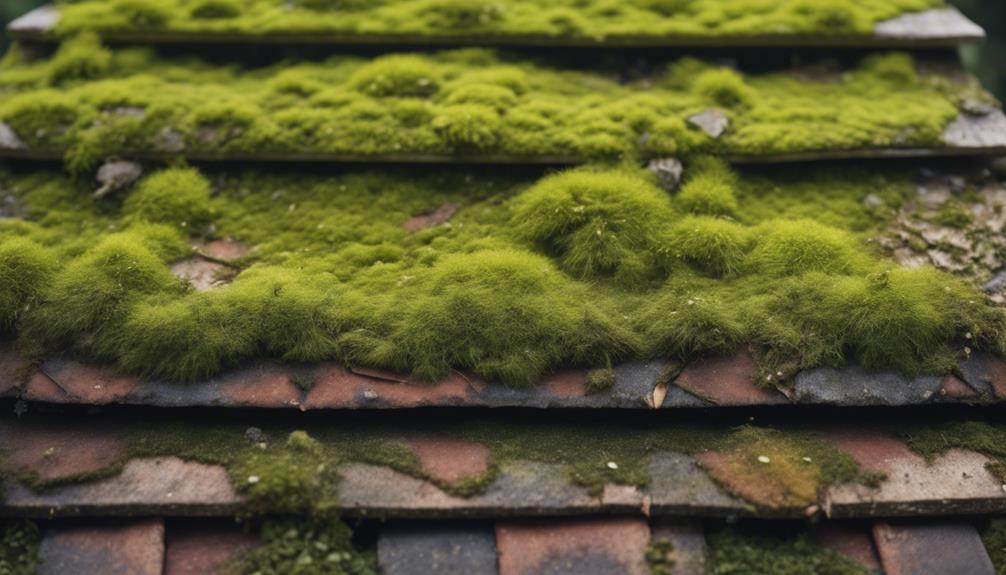
Occasionally, the application of chemical moss treatments has been scrutinized for its potential environmental impact in the context of roof maintenance practices. These chemical treatments often contain substances like zinc sulfate or copper sulfate, which are effective in eliminating moss and algae but may raise concerns about their effects on the environment. When these chemicals are applied to roofs, there is a risk of runoff into surrounding soil and waterways, potentially leading to contamination.
Studies have shown that zinc and copper can be harmful to aquatic life, affecting fish and other organisms in ecosystems near treated buildings. Additionally, these chemicals can persist in the environment, accumulating over time with repeated use. This accumulation may have long-term consequences for both terrestrial and aquatic ecosystems.
It is vital for individuals and companies using chemical moss treatments to be aware of these potential environmental impacts and to contemplate alternative methods that are less harmful to the environment. By evaluating the risks and benefits of different treatment options, it is possible to minimize the negative effects of roof maintenance practices on the environment.
Eco-Friendly Removal Alternatives
Eco-friendly alternatives for roof moss and algae removal are increasingly being sought after to mitigate the environmental impact of traditional chemical treatments. These alternatives aim to provide effective moss and algae removal without the use of harmful chemicals that can leach into the environment.
One such alternative is mechanical removal methods, such as scraping or brushing, which physically dislodge the moss and algae from the roof surface. While these methods may require more manual labor, they are considered environmentally friendly as they do not introduce toxic substances into the ecosystem.
Another eco-friendly option is the use of natural or biodegradable cleaning solutions. These solutions utilize organic ingredients that are safe for the environment while still effectively removing moss and algae. For instance, solutions containing vinegar, baking soda, or plant-based surfactants can be applied to the roof to break down and remove moss and algae growth.
Additionally, the use of high-pressure water or steam cleaning techniques can be employed as eco-friendly alternatives for roof maintenance. By embracing these environmentally conscious methods, homeowners can effectively manage roof moss and algae growth while minimizing their ecological footprint.
Minimizing Harmful Runoff
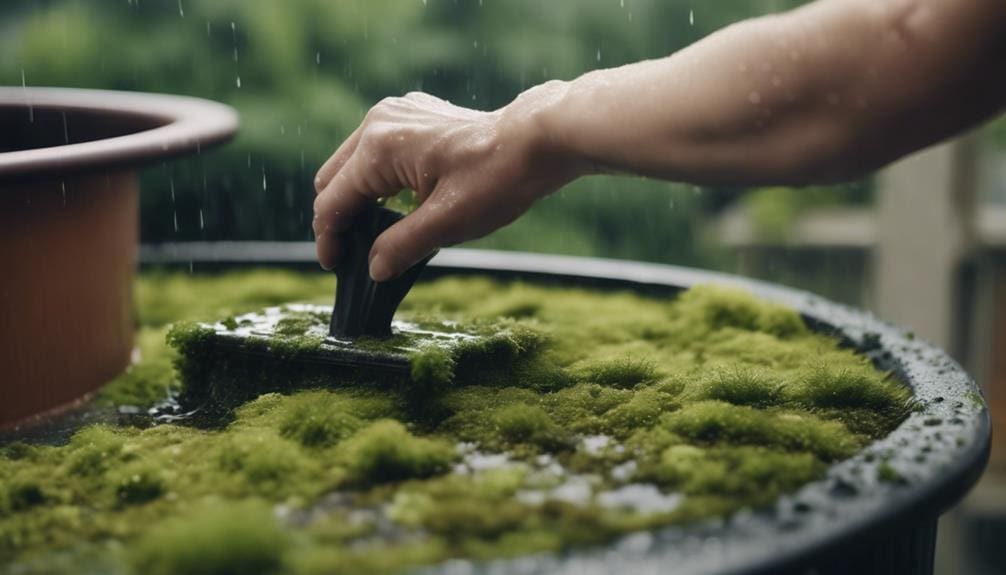
To address the potential environmental impacts of roof moss and algae removal, a critical consideration involves minimizing harmful runoff that may result from the cleaning process. Runoff from roof cleaning activities can contain chemicals, debris, and organic matter that may pollute water bodies and harm aquatic ecosystems. It is essential to implement practices that reduce or eliminate these negative effects on the environment.
Here are some strategies to minimize harmful runoff:
- Pre-treating runoff: Use environmentally friendly cleaning solutions that are less harmful to aquatic life when they enter water systems.
- Collecting runoff: Install gutter guards or diverters to capture runoff for proper disposal, preventing it from reaching natural water sources.
- Vegetated buffers: Plant vegetation around the base of downspouts to filter runoff before it enters the soil or nearby water bodies.
- Proper disposal: Dispose of any debris or wastewater from cleaning activities according to local regulations to prevent contamination of water sources.
Sustainable Roof Maintenance Practices
Implementing sustainable roof maintenance practices is essential for minimizing environmental impact and promoting long-term structural integrity. Sustainable practices involve using environmentally friendly products and techniques that reduce the need for harsh chemicals and excessive water consumption.
One key aspect of sustainable roof maintenance is regular inspections and proactive repairs to prevent issues such as leaks or damage that could lead to more significant problems down the line. Additionally, incorporating proper insulation and ventilation can help regulate temperature and moisture levels, reducing the likelihood of moss and algae growth.
Moreover, adopting sustainable practices can extend the lifespan of a roof, reducing the frequency of replacements and the associated environmental costs. Choosing materials that are durable, recyclable, or made from renewable resources is another critical factor in sustainable roof maintenance.
Balancing Effectiveness and Eco-Consciousness
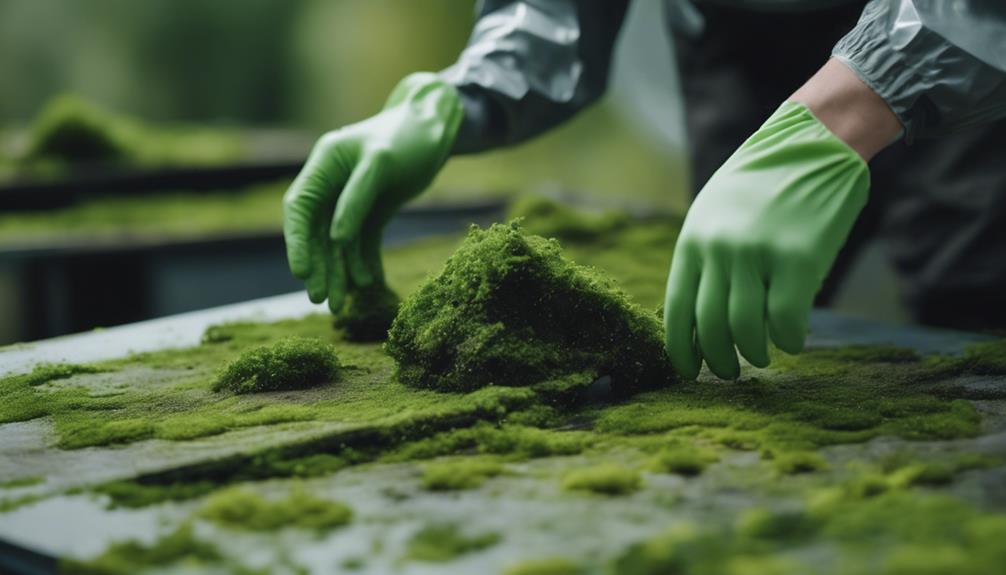
In evaluating sustainable roof maintenance practices, finding the best balance between effectiveness in preserving structural integrity and eco-consciousness in minimizing environmental impact is a critical consideration. Achieving this equilibrium requires a thoughtful approach that takes into account both the need for maintaining a sound roof structure and the desire to minimize harm to the environment.
Here are key points to ponder:
- Utilization of Eco-Friendly Cleaning Solutions: Opt for environmentally safe cleaning solutions that are biodegradable and do not introduce harmful chemicals into the ecosystem.
- Regular Maintenance and Prevention: Implement routine roof inspections and maintenance schedules to prevent the buildup of moss and algae, reducing the need for harsh removal methods.
- Water Conservation Practices: Use water-efficient cleaning techniques to minimize water wastage during the removal process.
- Consideration of Roofing Material: Choose roofing materials that are less prone to moss and algae growth, reducing the frequency of cleaning and the associated environmental impact.
Frequently Asked Questions
Can Roof Moss and Algae Removal Have an Impact on the Local Wildlife in the Area?
Roof moss and algae removal may impact local wildlife by disrupting habitats and food sources. Chemical runoff can harm aquatic life, while habitat destruction can affect birds and insects. Understanding these potential consequences is crucial for conservation efforts.
Are There Any Long-Term Effects on the Roof Structure Itself From Repeated Moss and Algae Removal Treatments?
Repeated moss and algae removal treatments on roofs can lead to potential long-term effects on the roof structure. These effects may include damage to shingles, weakening of the roof material, and increased susceptibility to water leaks if not properly addressed.
How Can Homeowners Determine if Their Roof Is in Need of Moss and Algae Removal in the First Place?
Homeowners can assess the need for roof moss and algae removal by inspecting for green patches, moisture retention, or shingle degradation. Regular checks, especially in shaded or humid areas, can help prevent structural damage and maintain roof longevity.
Are There Any Specific Regulations or Guidelines in Place Regarding Roof Moss and Algae Removal to Protect the Environment?
In the domain of roof maintenance, regulations and guidelines focusing on roof moss and algae removal often aim to safeguard environmental integrity. Adherence to industry standards, proper disposal methods, and eco-friendly treatments are common measures implemented to mitigate adverse environmental impacts.
Is There a Recommended Frequency for Roof Moss and Algae Removal to Balance Effectiveness and Eco-Consciousness?
The recommended frequency for roof moss and algae removal should consider the ideal balance between effectiveness and eco-consciousness. Factors such as climate, roof material, and extent of growth should be evaluated to determine a suitable maintenance schedule.
