
When faced with the issue of roof moss and algae, the importance of selecting the appropriate removal method cannot be overstated. Different techniques such as chemical treatments, pressure washing, and manual scraping each have their own set of advantages and considerations.
The effectiveness and safety of these methods vary depending on factors like roof material and the severity of the growth. Understanding these nuances is essential in ensuring a successful removal process that not only eliminates the moss and algae but also preserves the integrity of the roof.
Key Takeaways
- Select removal method based on roof type and severity of moss infestation.
- Consider environmental impact and safety measures when choosing a removal technique.
- Chemical treatments offer quick results, while manual scraping ensures thorough moss removal.
- Tailored approaches optimize effectiveness and long-term moss control on different roof materials.
Chemical Treatments for Moss and Algae
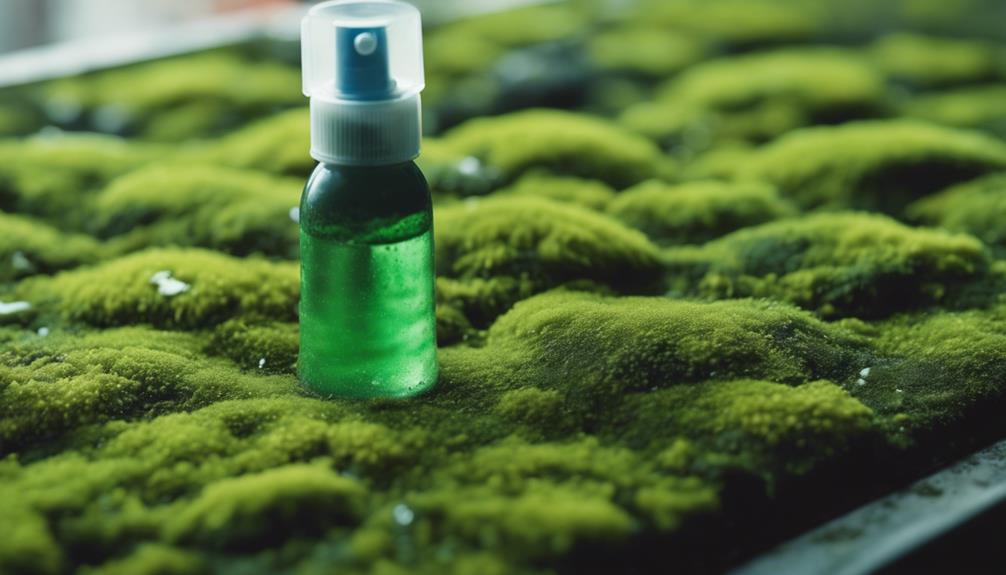
The eradication of moss and algae from roofs can be effectively achieved through the strategic application of specialized chemical treatments. These treatments are designed to target and kill the moss and algae at their roots, guaranteeing long-lasting results. One of the key advantages of using chemical treatments is their ability to penetrate into the nooks and crannies of the roof, reaching areas that may be difficult to access with other removal methods.
When choosing a chemical treatment for moss and algae removal, it is essential to take into account the specific type of growth present on the roof. Different chemicals are formulated to target either moss or algae, or a combination of both. It is important to follow the manufacturer’s instructions carefully to make certain the treatment is applied correctly and safely.
Additionally, it is advisable to take into account the environmental impact of the chemical treatment chosen. Some products may contain harsh chemicals that can be damaging to surrounding vegetation or wildlife. Opting for eco-friendly or biodegradable options can help minimize any adverse effects on the environment while effectively removing moss and algae from the roof.
Pressure Washing as a Removal Method
To effectively remove moss and algae from roofs, another viable method to contemplate is utilizing pressure washing techniques. Pressure washing involves using a high-pressure water spray to remove moss, algae, dirt, and other debris from the roof’s surface.
Here are three key points to mull over when using pressure washing for roof maintenance:
- Effectiveness: Pressure washing is highly effective in removing moss and algae from roofs, as the high-pressure water can penetrate the crevices and gaps where these organisms grow. It provides a thorough cleaning that can help restore the roof to its original state.
- Speed: Compared to manual methods, pressure washing is a much faster way to clean a roof. It covers a larger area in a shorter amount of time, making it an efficient choice for homeowners looking to quickly remove moss and algae buildup.
- Safety: When done correctly by professionals, pressure washing is a safe method for roof cleaning. However, it is essential to use the appropriate pressure levels and techniques to avoid damaging the roof’s surface or causing leaks.
Manual Scraping for Moss Removal
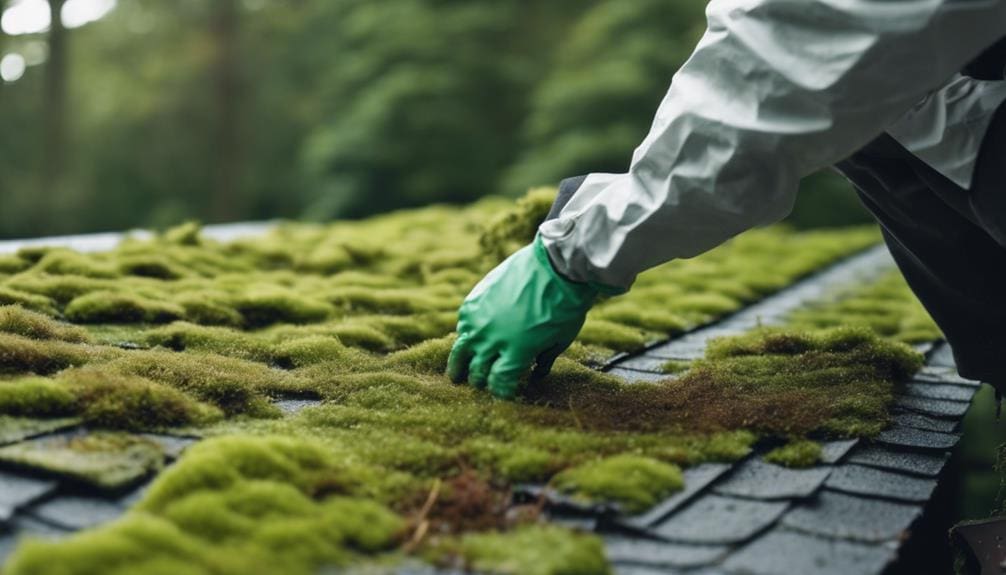
Consider implementing manual scraping techniques as a meticulous approach to effectively remove moss from roof surfaces. Manual scraping involves physically removing moss with tools like a stiff brush, scraper, or a specialized moss removal tool. This method allows for precise targeting of moss-infested areas, making sure thorough removal without causing damage to the roof material.
Before starting the manual scraping process, it is essential to make sure safety measures are in place. Use appropriate safety gear such as gloves, goggles, and non-slip footwear to prevent injuries. Begin by gently scraping off the moss in small sections, working from the top of the roof downwards. Take care not to scrape too aggressively, as this can potentially harm the roof shingles.
Manual scraping is a labor-intensive method that requires time and effort, especially on larger roofs or roofs with extensive moss growth. However, it is a cost-effective and environmentally friendly approach that can yield excellent results when done meticulously. Regular maintenance with manual scraping can help prevent moss from recurring and prolong the lifespan of your roof.
Comparing Effectiveness and Safety
When evaluating roof moss removal methods, it is crucial to assess both the effectiveness of the technique in eliminating moss and the safety measures required during the removal process. Different methods vary in their effectiveness and safety considerations.
- Effectiveness: Some methods, like chemical treatments, may provide quicker results in eliminating moss from your roof. However, manual scraping is often more thorough in removing the moss completely, especially in hard-to-reach areas.
- Safety: Chemical treatments can be effective but may pose risks to the environment and your roof’s longevity. In contrast, manual scraping is a safer option for the roof’s integrity, as it does not involve potentially harmful chemicals.
- Long-Term Impact: While chemical treatments may offer immediate results, manual scraping ensures that the moss is physically removed from the roof, potentially leading to longer-lasting moss control and healthier roofing materials in the long run.
Recommendations for Roof Type and Severity
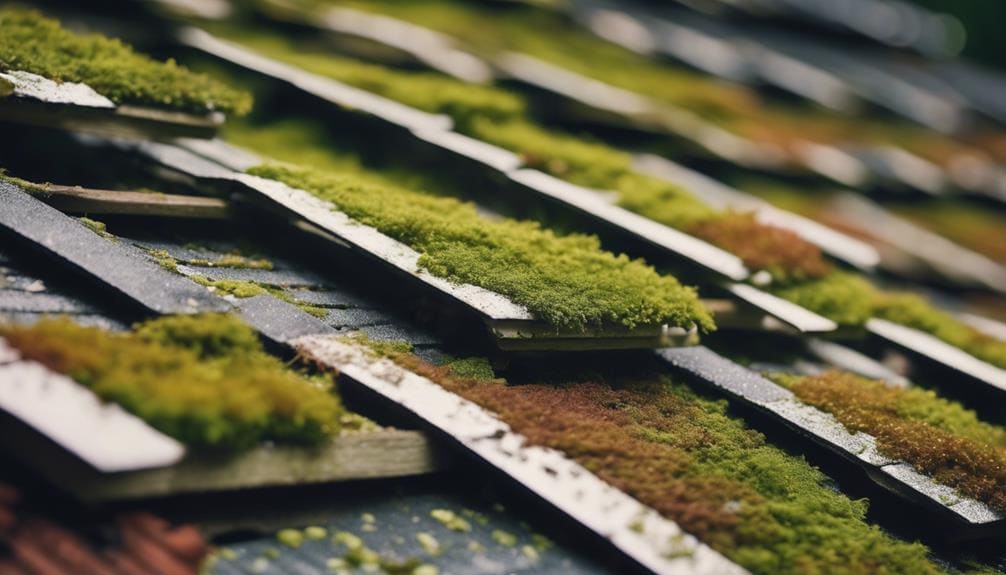
For different types of roofs and varying levels of moss severity, tailored recommendations can optimize the effectiveness of moss removal methods. When dealing with asphalt shingle roofs, it is essential to use gentle techniques to prevent damage to the shingles. Soft washing with a mixture of water and mild detergent can effectively remove moss without causing harm.
For metal roofs, a more robust approach involving a water and bleach solution may be appropriate to combat moss growth. Clay tile roofs require special care to avoid cracking or breaking the tiles during cleaning. Using a soft brush or low-pressure washing can help eliminate moss without causing damage.
Additionally, for roofs with severe moss infestations, it may be necessary to repeat the cleaning process or consider professional assistance to make sure thorough removal without compromising the roof’s integrity. By considering the specific characteristics of each roof type and the severity of moss growth, appropriate removal methods can be selected to achieve best results.
Frequently Asked Questions
Are There Any Environmentally-Friendly or Biodegradable Options for Moss and Algae Removal?
Environmentally-conscious consumers can opt for biodegradable solutions like vinegar, baking soda, or hydrogen peroxide for moss and algae removal. These options are effective, safe for plants and animals, and reduce the impact on the ecosystem.
Can Moss and Algae Growth on the Roof Affect the Overall Lifespan of the Roof?
Moss and algae growth on roofs can indeed impact their lifespan. These organisms can retain moisture, leading to decay and structural damage. Regular maintenance and proper removal methods are essential to preserving the integrity and longevity of roofs.
Are There Any DIY Home Remedies or Natural Solutions for Removing Moss and Algae From the Roof?
There are DIY home remedies and natural solutions available for removing moss and algae from the roof. These include using a mixture of water and vinegar, hydrogen peroxide, or even a solution of baking soda and water.
How Often Should Roof Maintenance and Cleaning Be Performed to Prevent Moss and Algae Growth?
Regular roof maintenance and cleaning should be performed at least twice a year to prevent moss and algae growth. However, the frequency may vary based on the climate and surrounding environment. Prompt action can help maintain the roof’s integrity and appearance.
Are There Any Preventative Measures or Treatments That Can Be Applied to Stop Moss and Algae From Regrowing on the Roof?
Preventative measures like installing zinc or copper strips along the roof’s ridge can inhibit moss and algae regrowth. Roof treatments with specialized solutions can also be applied periodically to deter the growth of these organisms.
