
When it comes to maintaining a chimney, understanding the associated costs is important for homeowners. From routine inspections to thorough cleanings, the expenses involved in chimney maintenance can vary depending on several factors.
However, grasping the nuances of these costs can lead to informed decisions that not only benefit your wallet but also guarantee the safety and efficiency of your fireplace. Consider this: a well-maintained chimney not only enhances the overall aesthetics of your home but also contributes to a healthier living environment.
Key Takeaways
- Chimney type, size, and location influence cleaning costs.
- Regular maintenance prevents costly repairs and improves efficiency.
- Factors like creosote buildup and accessibility impact cleaning expenses.
- Proper budgeting and timely cleaning enhance long-term savings and safety.
Potential Costs of Chimney Cleaning

When taking into account the potential costs of chimney cleaning, it is essential to consider various factors that can influence overall expenses. The cost may vary based on the type of chimney, its size, the extent of creosote buildup, accessibility, and the property’s location.
For example, a standard chimney cleaning for a single-story home with easy access may cost less than for a multi-story home with a hard-to-reach chimney. If the chimney has not been cleaned for an extended period, requiring more time and effort to remove built-up creosote, the cost may increase.
The location of the property can also impact the cost of chimney cleaning, with urban areas usually having higher service fees than rural locations. Considering these factors when estimating the potential costs of chimney cleaning ensures an accurate budget for this necessary maintenance task.
Factors Influencing Cleaning Costs
Several key factors play a significant role in influencing the costs associated with chimney cleaning services. The following factors can affect the pricing structure for chimney cleaning:
- Extent of Creosote Buildup: The level of creosote buildup in the chimney directly impacts the time and effort required for cleaning, affecting the overall cost.
- Chimney Height and Accessibility: Tall chimneys or ones that are difficult to access may require specialized equipment or additional labor, leading to higher cleaning costs.
- Chimney Condition: The condition of the chimney, including any existing damage or deterioration, can influence the complexity of the cleaning process and, consequently, the cost.
- Frequency of Cleaning: Regular maintenance reduces the likelihood of extensive buildup, making the cleaning process more straightforward and cost-effective.
- Additional Services Needed: Services such as chimney inspections, repairs, or the installation of chimney caps can add to the total cost of chimney cleaning.
Considering these factors when scheduling chimney cleaning services can help homeowners anticipate costs and make informed decisions regarding their chimney maintenance.
Long-Term Savings From Maintenance
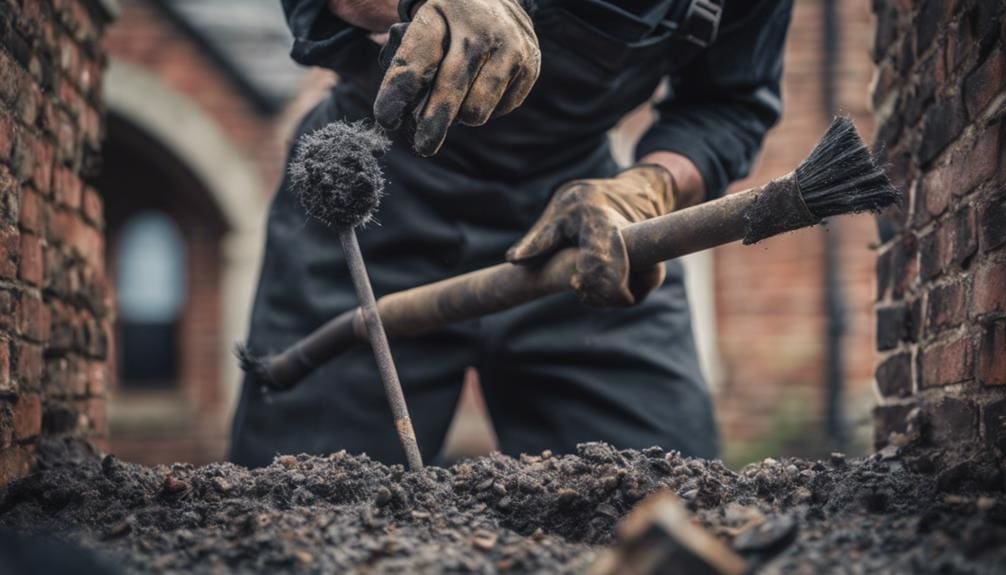
Investing in regular chimney maintenance can result in significant long-term savings for homeowners. By ensuring that your chimney is properly cleaned and inspected on a routine basis, you can prevent costly repairs and potential safety hazards in the future. Regular maintenance helps to identify issues early on, such as creosote buildup or cracks in the chimney structure, allowing for timely intervention before these problems escalate into more extensive and expensive repairs.
Additionally, maintaining a clean chimney can improve the efficiency of your fireplace or heating system, leading to lower energy costs over time. A clean chimney promotes better airflow and reduces the risk of smoke backflow, which can impact the overall performance of your heating appliance. Furthermore, a well-maintained chimney is less likely to experience sudden malfunctions or breakdowns, saving you from unexpected expenses and inconvenience.
Tips for Budgeting Chimney Maintenance
To effectively budget for chimney maintenance, homeowners should prioritize regular inspections and cleanings to secure the longevity and safety of their chimney system. Proper budgeting for chimney maintenance involves planning ahead and being proactive. Here are some expert tips to help homeowners budget effectively for chimney maintenance:
- Schedule Annual Inspections: Regular inspections can help identify any issues early on, preventing costly repairs in the future.
- Invest in Quality Cleaning Tools: Quality chimney cleaning tools may have a higher upfront cost but can save money in the long run by effectively maintaining the chimney.
- Consider DIY Maintenance: Some maintenance tasks, like cleaning the chimney cap or removing debris, can be done by homeowners themselves, reducing overall maintenance costs.
- Research Professional Services: When hiring professionals, research multiple companies, compare prices, and read reviews to make sure you are getting the best service for your budget.
- Set Aside a Maintenance Fund: Create a separate fund for chimney maintenance to avoid financial stress when unexpected repairs are needed.
Importance of Regular Chimney Cleaning
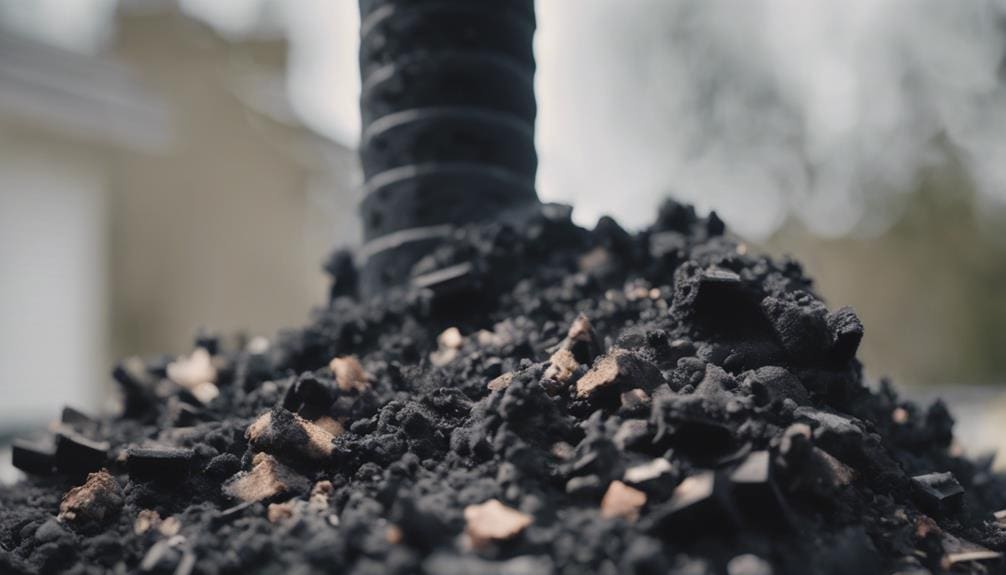
Regular chimney cleaning is important for maintaining the efficiency and safety of your chimney system. Over time, creosote, a natural byproduct of burning wood, builds up inside the chimney. This highly flammable substance can ignite and cause a dangerous chimney fire if not removed regularly. Additionally, creosote buildup can restrict the airflow in the chimney, leading to poor ventilation and potentially deadly carbon monoxide poisoning.
Regular chimney cleaning also helps prevent blockages caused by debris such as leaves, bird nests, or other foreign objects. These blockages can hinder proper smoke ventilation and cause smoke to back up into your home, creating a health hazard.
Moreover, a clean chimney ensures that gases and fumes are safely directed outside, preventing them from seeping into your living spaces and posing a health risk to you and your family.
Frequently Asked Questions
Can Chimney Cleaning Be Done as a DIY Project, or Is It Recommended to Hire a Professional?
Chimney cleaning can be done as a DIY project for those with proper knowledge and equipment. However, it is generally recommended to hire a professional due to safety concerns, potential structural issues, and the need for specialized tools and expertise.
Are There Any Additional Fees or Charges That Homeowners Should Be Aware of When Hiring a Chimney Cleaning Service?
When hiring a chimney cleaning service, homeowners should inquire about potential additional fees such as inspection charges, creosote removal costs, and any repairs needed. Transparent communication and obtaining a detailed quote can help avoid surprises.
How Often Should Chimney Inspections Be Conducted in Order to Maintain Optimal Safety and Performance?
Regular chimney inspections should be conducted annually to maintain peak safety and performance. This frequency allows for early detection of issues such as creosote buildup or structural damage, ensuring that the chimney functions effectively and safely.
Are There Any Potential Health Risks Associated With Neglecting Chimney Cleaning and Maintenance?
Neglecting chimney cleaning and maintenance can lead to various health risks. Accumulated debris and creosote can result in poor air quality, carbon monoxide poisoning, and potential chimney fires. Regular maintenance is essential for a safe and healthy home environment.
What Are Some Common Signs That Indicate a Chimney May Be in Need of Cleaning or Repairs?
Common signs indicating chimney cleaning or repairs are needed include: excessive soot buildup, strong odors, smoke backup, difficulty starting fires, debris falling into the fireplace, or visible damage like cracks or missing bricks.
