
Maintaining excellent air quality within the home is a multifaceted endeavor that often requires attention to minute details. Chimney cleaning, although seemingly mundane, plays a pivotal role in this equation. The impact of neglecting this task extends beyond mere aesthetics; it directly influences the quality of the air we breathe indoors.
By delving into the intricacies of chimney maintenance, we uncover a web of connections that affect not only the efficiency of heating systems but also the overall health and well-being of occupants. The implications of this process are far-reaching and underscore the significance of routine chimney upkeep for a healthy living environment.
Key Takeaways
- Regular chimney cleaning prevents fire hazards and maintains optimal indoor air quality.
- Removal of blockages and soot accumulation ensures efficient chimney function and reduces fire risks.
- Preventing carbon monoxide intrusion through chimney maintenance safeguards respiratory health and cognitive function.
- Proper chimney cleaning reduces indoor air pollution by eliminating harmful combustion by-products, enhancing overall air quality in homes.
Importance of Regular Chimney Cleaning
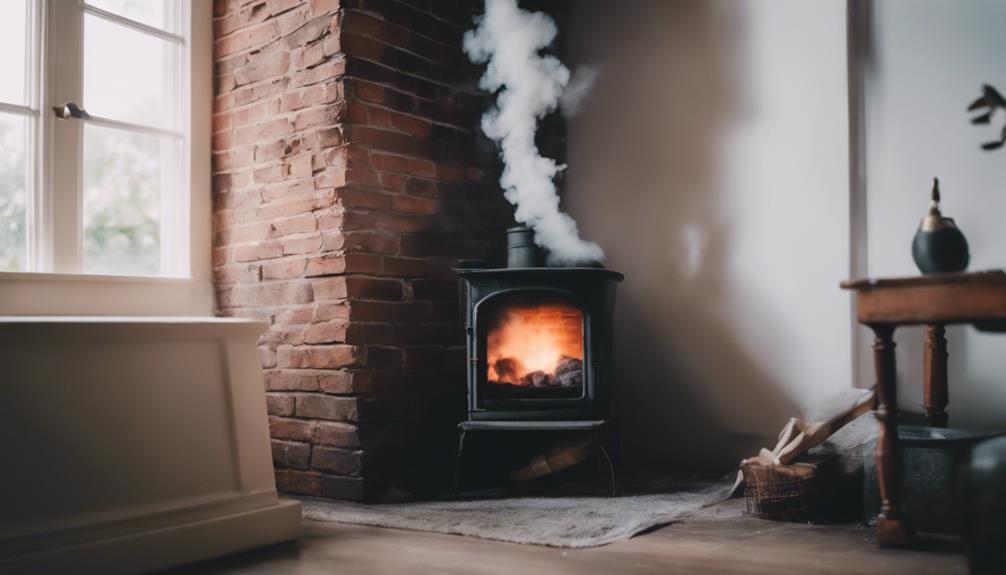
Regular chimney cleaning is essential for maintaining perfect indoor air quality and preventing potential fire hazards in residential homes. Over time, chimneys accumulate creosote, a highly flammable residue resulting from burning wood or fossil fuels. This buildup not only reduces the efficiency of the chimney but also poses a substantial fire risk. In addition, blockages caused by debris such as leaves, branches, or animal nests can obstruct proper ventilation, leading to the backflow of harmful gases like carbon monoxide into the home.
According to the National Fire Protection Association (NFPA), failure to clean chimneys is a leading factor contributing to heating equipment fires in the United States. In 2018, heating equipment was involved in approximately 52,050 reported home structure fires, resulting in 470 civilian deaths, 1,130 civilian injuries, and $1.1 billion in direct property damage. Regular chimney cleaning can significantly reduce these risks, ensuring both the safety of occupants and the longevity of the chimney system.
Removal of Blockages and Soot Accumulation
To guarantee peak chimney function and minimize the risk of fire hazards, thorough removal of blockages and soot accumulation is imperative in maintaining safe indoor air quality.
Blockages, such as debris, bird nests, or creosote buildup, can obstruct the flow of smoke and gases, leading to poor ventilation and potentially causing harmful pollutants to circulate back into the home.
Soot accumulation is another common issue that arises from incomplete combustion of wood or fossil fuels. This sticky residue can line the chimney walls, reducing its efficiency and posing a fire hazard if not promptly removed.
Professional chimney cleaning services utilize specialized tools like chimney brushes, vacuums, and inspection cameras to effectively eliminate blockages and soot.
Regular maintenance, including annual inspections and cleanings, is recommended to ensure optimal chimney performance and prevent air quality degradation within the home.
Health Benefits of Preventing Carbon Monoxide Intrusion

Preventing carbon monoxide intrusion into the home environment is paramount for safeguarding occupants’ health and well-being against this silent, odorless, and potentially lethal gas. The health benefits of ensuring carbon monoxide does not infiltrate living spaces include:
- Prevention of Carbon Monoxide Poisoning: Carbon monoxide poisoning can lead to symptoms such as headaches, dizziness, nausea, confusion, and even death.
- Protection of Respiratory Health: Inhaling carbon monoxide can aggravate respiratory conditions like asthma or chronic obstructive pulmonary disease (COPD).
- Enhanced Cognitive Function: By preventing carbon monoxide exposure, cognitive functions such as memory, concentration, and problem-solving abilities can remain intact.
- Reduced Risk of Long-Term Health Effects: Prolonged exposure to carbon monoxide has been linked to long-term health issues, including cardiovascular problems and neurological disorders.
Combustion By-products and Indoor Air Quality
Effective maintenance of combustion systems is key to controlling the release of harmful by-products that can impact indoor air quality. Combustion processes, especially in heating systems, can produce various pollutants such as carbon monoxide (CO), nitrogen dioxide (NO2), sulfur dioxide (SO2), and particulate matter. These by-products can enter the indoor environment if combustion systems are not functioning correctly or if there is poor ventilation, posing serious health risks.
Carbon monoxide is a colorless, odorless gas that can be lethal in high concentrations, causing symptoms like headaches, dizziness, and even death. Nitrogen dioxide and sulfur dioxide can irritate the respiratory system, especially in individuals with pre-existing conditions like asthma. Particulate matter from combustion can also lead to respiratory issues and worsen cardiovascular health.
Regular chimney cleaning and maintenance of combustion systems are essential to prevent the buildup of these harmful by-products. Ensuring proper ventilation and using high-quality filters can further improve indoor air quality by reducing the concentration of these pollutants.
Enhancing Home Air Quality Beyond Chimney Cleaning

Implementing advanced air filtration systems can greatly enhance indoor air quality beyond the scope of chimney cleaning in residential settings. These systems utilize cutting-edge technology to remove a wide range of contaminants from the air, ensuring a healthier living environment for occupants.
Here are four key ways in which advanced air filtration systems can further improve home air quality:
- HEPA Filtration: High-Efficiency Particulate Air (HEPA) filters are capable of trapping 99.97% of particles as small as 0.3 microns, including dust, pollen, pet dander, and mold spores.
- Activated Carbon Filters: These filters excel at adsorbing odors, volatile organic compounds (VOCs), and other gaseous pollutants, enhancing the overall air quality by reducing unwanted smells and harmful chemicals.
- UV-C Germicidal Lamps: By utilizing ultraviolet light, these lamps effectively neutralize airborne pathogens such as bacteria, viruses, and mold spores, helping to create a healthier indoor environment.
- Smart Air Quality Monitors: These devices continuously assess the air quality in your home, providing real-time data on pollutant levels and allowing for proactive measures to maintain a clean and healthy indoor environment.
Frequently Asked Questions
How Often Should a Chimney Be Inspected and Cleaned to Maintain Optimal Air Quality in the Home?
Regular chimney inspections and cleanings are essential for maintaining perfect air quality in the home. Industry standards recommend an annual inspection and cleaning to prevent the buildup of dangerous substances and make safe and efficient operation.
Can Chimney Cleaning Help Reduce Allergies and Respiratory Issues in the Household?
Chimney cleaning can help reduce allergies and respiratory issues by removing built-up soot, creosote, and other pollutants that can be released into the air. Regular maintenance can lead to improved indoor air quality.
Are There Any Specific Signs or Symptoms to Look Out for That Indicate a Chimney May Be Affecting Indoor Air Quality?
Specific signs of chimney issues impacting indoor air quality include excessive soot or creosote buildup, foul odors, visible smoke inside, or increased respiratory symptoms. Regular inspection and cleaning can minimize these risks and improve air quality.
What Are Some Common Misconceptions About Chimney Cleaning and Its Impact on Home Air Quality?
Some common misconceptions about chimney cleaning and its impact on home air quality include beliefs that chimneys do not need regular cleaning or that cleaning only affects the appearance of the fireplace, neglecting potential health hazards.
How Does Chimney Cleaning Contribute to Overall Energy Efficiency in the Home?
Chimney cleaning contributes to overall energy efficiency by facilitating proper ventilation and combustion in the home heating system. Removing debris and blockages guarantees efficient heat transfer, reducing energy waste and enhancing the system’s performance.
